Why Breaking My Routine Made Me a Stronger Runner

Brian’s fitness journal after a brain stroke

I used to do resistance training the chaotic way—every body part, every day, every time. Basically, the “if I train everything, something has to improve… right?” strategy. Then my wife gently pointed out that muscles need rest, variety, and apparently not a daily existential crisis.

She was right, of course. Summer proved that. Between mowing, trimming, leaf wrangling, and whatever mysterious outdoor chores magically appear when the weather is warm, I barely had energy for running—much less full-body resistance training every single day. So, I surrendered. I broke the routine into sections like a civilized human being.

Now I rotate muscle groups throughout the week, giving each part its moment to shine (and suffer). Some areas get a twice-a-week spotlight; others politely wait their turn. Suddenly, life is manageable again—chores, running, and training all coexist instead of staging a coup.

Today was the start of a new week, which means pull-up day.

A sacred day.
A day of decisions.

Should I plateau at 10 pull-ups, a number respectable enough to put me in the “not bad at all” category? Or should I chase 11, knowing that someday my body will politely inform me, “This is your limit, sir”? Since I haven’t reached that point yet, I went for it. Eleven. Next week, twelve. After that… we’ll see. One day, gravity may win. But not today.

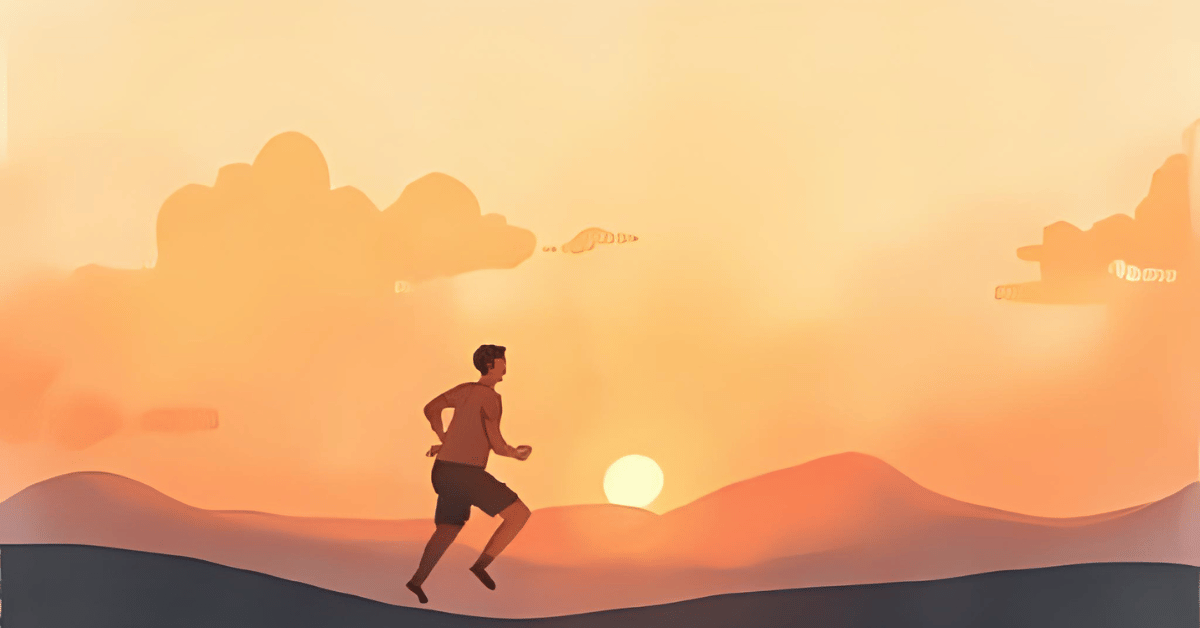
After conquering the pull-up bar and demolishing breakfast, I got ready for my run. The temperature, however, had other plans. Today’s forecast: “Cold. No reprieve. Wear pants.” My body does not negotiate well with sudden temperature changes, so I usually wait for the warmest part of the day in winter—just as I run early in summer to avoid roasting like a forgotten croissant.

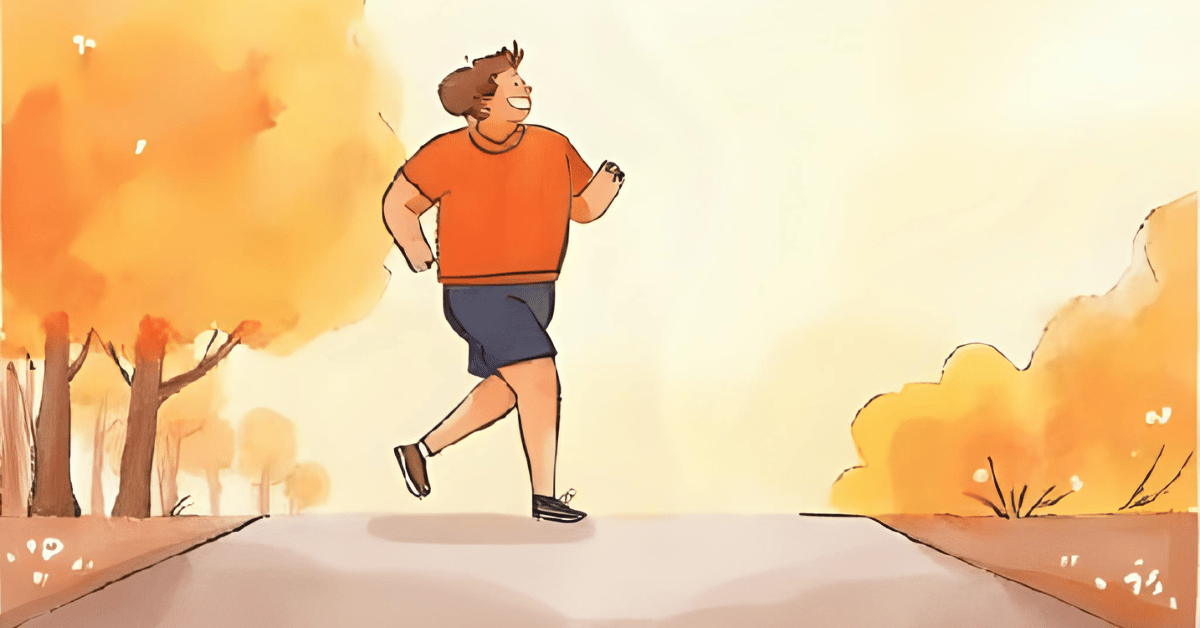
But since the temperature was stubbornly staying in “absolutely not shorts” territory, I layered up: long sleeves, full-length pants, the whole winter runner look. Forty-five minutes later, I hit the pavement.

And—I beat my target pace.
No new personal record, but I landed the delightful honor of “second fastest ever,” which is basically the silver medal of running days. I’ll take it.

If I hit my target time later this week, I might just set a new record. And that is a very good reason to look forward to the next run… assuming the weather cooperates and my muscles don’t file a formal complaint.
When Your Run Falls Apart, but Your Progress Doesn’t

Brian’s fitness journal after a brain stroke

Today’s run was… let’s call it “character-building.” On Wednesday, I set a new personal best and thought, “Ah yes, this is who I am now—Speed.” Today, however, my legs politely reminded me that I’m actually more of a seasonal subscription: sometimes fast, sometimes not, and occasionally buffering.

I use a free running app that announces my pace every quarter kilometer. Think of it like a personal pacer—except instead of a cheerful human holding a sign, it’s a disembodied voice that calmly informs me I’m behind… again. I originally set it up because my wife once told me that beginner runners tend to sprint at the start and then collapse like poorly made soufflés. Fair point. So now I let the app dictate a sustainable pace—my own digital pacer, minus the neon outfit.

Usually, the system works—until it doesn’t. By the third kilometer today, I was more than a minute behind my goal. I spent the rest of the run trying to negotiate with my legs like a hostage negotiator. I managed to finish the 5k slightly less behind schedule, but still not close to what I hoped for.

I’ve been running for nearly a decade, so none of this should shock me. Pace goes up, pace goes down—it’s basically the stock market in sneakers. Weather, sleep, body condition, last night’s workout, and whether the universe feels benevolent all factor in.

My kidneys, of course, love to complicate things. With barely 20% function on my last lab test, they’re like coworkers who contribute very little but still demand regular attention. In the summer, my numbers dip even more, and I have to be careful with protein like it’s contraband. One extra hour of outdoor chores can knock my cardio readiness off a cliff. Yet my doctor still encourages me to run, because running keeps my health from slipping further.

Given everything, I try to stay positive. After all, compared to surviving a brain stroke, a slow run is just a slightly dramatic inconvenience. I’m not the fastest runner—not even close—but running has helped me maintain my kidney health and sanity.

Still, disappointment is real. When you’re pushing so hard and don’t get the result you hoped for, it stings. But as I was cooling down, walking home like a Victorian poet contemplating fate, I remembered something important: even on a bad day, I’m faster than I was a year ago, when I was desperately trying to break a 10-minute pace. Progress isn’t a straight line. Sometimes it looks like a toddler’s scribble. Yes, today was slow. But I am faster overall. I am stronger overall. And as long as I keep showing up—even limping slightly—I will keep getting better. One imperfect run at a time.

When 65°F Feels Arctic: Surviving the Seasons with a Blanket-Stealing Cat

Brian’s fitness journal after a brain stroke

Apparently, all that bragging I did about “adjusting to changing weather” has come back to haunt me. Once upon a time, 65°F was “pleasant sweater weather.” Now? Now 65°F has me wrapped in a robe like a retired emperor awaiting tea service. The price of confidence is humiliation—and apparently goosebumps.

The weather lately has been on a mood swing tour. One day we’re almost freezing, the next day it’s pushing 70°F, and my body is standing there like, “Ma’am, please pick one season. I cannot compute.” Just when I recalibrate to “crisp autumn person,” we get warm, humid rain and my internal thermostat quits its job entirely.

When the temperature is above 65°F, I usually run in shorts. Once I get moving, I warm up pretty fast—if I wear too much clothing, I basically steam myself like a dumpling. So when we suddenly got 70°F… then nearly 80°F… we didn’t even bother turning on the air conditioner. We don’t touch that button unless the temperature is genuinely trying to cook us. Also, I cannot handle the blast of cold air followed by stepping into the fiery outdoors. My body prefers consistent suffering.

The warm spell brought humidity too—just in time for our epic battle against cat fleas. Humidity is basically their vacation resort. Not ideal. But on the bright side, I got used to 80°F again. A small victory… with scratching.

Then—bam—temperature drops 15 degrees like it’s throwing a surprise plot twist. My wife commented casually while heading out for her morning exercise, like the cold was merely a decorative background feature. She says as long as the wind hits her face hard enough to make her nose hurt, she’s fine. Canada built her differently.

Meanwhile, I was digging out my long-sleeve running shirts like a squirrel retrieving winter nuts. Once layered properly, the cold run was actually not too bad. I may never be Canadian-level tough like my wife, but hey, I survive.

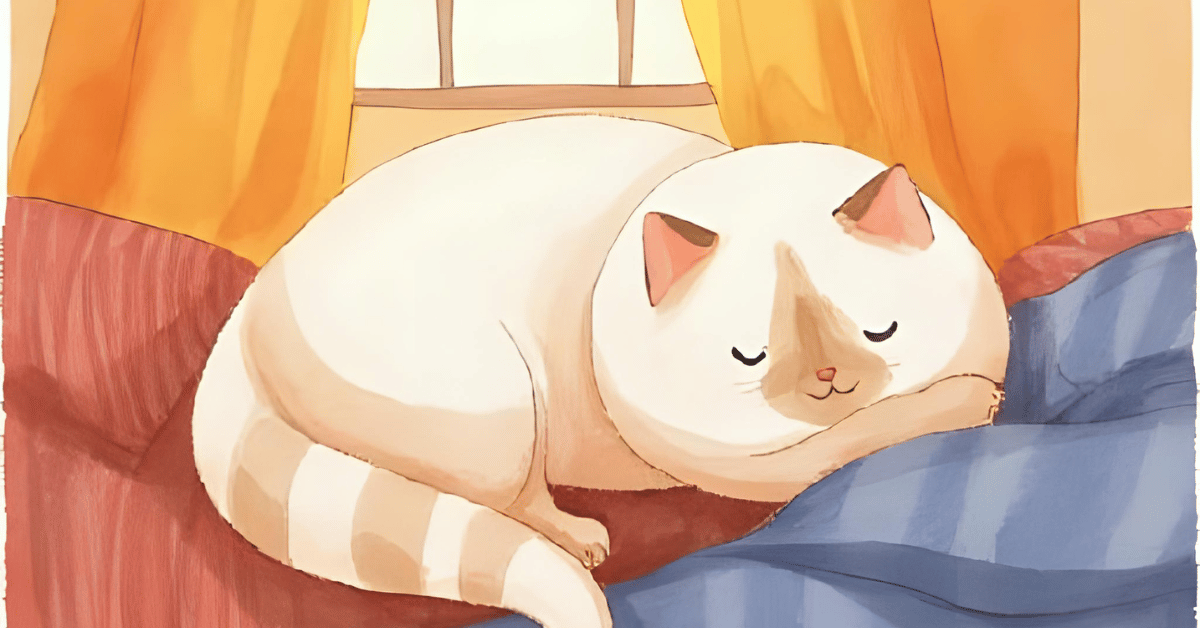
But here is the true reward of cold weather: our kitten has decided to become a nighttime bed-heater. She now burrows under the blanket like a tiny furry furnace. My wife says the cat radiates enough heat to roast a marshmallow, and by morning her legs have escaped the blanket entirely. Then again, my wife moves around at night like she’s running a marathon in her dreams, so the cat usually ends up attached to me. My wife occasionally makes comments about this, but that is a different discussion. (I maintain: cat chooses the warmest soul. Science.)

So yes—the weather is baffling, but sleeping with a purring space heater under the covers? That makes the chill worth it.

A Lesson in Routine and Resetting With One Small Change

Brian’s fitness journal after a brain stroke

Hello Dear Readers,

Today began in a way that completely threw off my usual rhythm. We had planned a trip to the Asian grocery store to pick up some essentials — tofu, fried tofu (aburaage), and miso. We don’t go often, but when we do, it’s serious business. My wife stocks up and preserves everything carefully so it lasts. For her, one grocery trip means the next one to two hours are dedicated to washing, prepping, and storing, which also means she has to rearrange her entire weekly schedule. She plans these things like military operations — I usually know about Asian grocery day a week in advance.

But today, I failed the mission briefing. I overslept. By the time I woke up, it was already the time we were supposed to leave. So I rushed: got dressed, shoveled cereal into my mouth, and skipped my usual morning routine entirely. No planks, no language study, no texting my sisters. All of it postponed until after the grocery run.

This small shift — waking up late — changed the energy of the whole morning. My wife had already finished her entire morning routine before we left, of course. Meanwhile, I felt like I was sprinting from behind the entire day. Still, once we returned home, I told myself: just start. So I began working through my to-do list.

I wanted to run my 10k before the temperature climbed too high, so I pushed some other tasks to later and headed out. Normally, I check my headset while stretching after my plank session — but since I skipped everything, I also skipped the headset check. And just 2 kilometers into the run, my headset battery died. Complete silence.

I pushed through one more kilometer, but imagining another hour of silent running felt like an emotional desert. So, I stopped.

For me, having an audiobook during a run is more than background noise — it keeps me moving, keeps me focused. Without it, everything feels heavier. But despite the rocky morning, I still managed to get my chores done later, just like any other Saturday.

Running Through The Seasons is How I Reclaimed Strength After Stroke

Brian’s fitness journal after a brain stroke

Written October 15, 2025

Hello, Dear Readers,

This morning, I woke up feeling a little foggy. The air has turned noticeably colder, and lately it’s been harder for my body to bounce back from running and everyday tasks. Sudden temperature shifts have always affected me, but ever since my brain stroke, my autonomic nervous system just… clocks out when the weather changes. If the temperature swings, my body goes, “Nope. That’s enough character development for today.”

So, every morning, I check the weather carefully and layer up like I’m preparing for a small expedition. Over time—and plenty of trial and error—I’ve learned which clothing works for which temperature range. Still, when the seasons shift, my body needs time to adjust. Winter cold and summer heat both make it difficult for me to feel “comfortable” in my own skin.

Over the past few days, I’ve been pushing myself to run a little more because I felt motivated. But this morning, I felt the effort in every muscle. Even so, I headed out the door. And something surprising happened—I ended up hitting my 4th-fastest run time ever, meeting and beating my pace goal. I averaged 9 minutes per kilometer, something I didn’t expect on a tired day. Oddly enough, the fatigue helped me focus. And I was proud.

Now that we’re down to the last few months of the year, I checked in on my annual goals. One of them was logging 1,000 km of running. Thanks to adding a weekly 10km run, I should reach that milestone by the end of October—weeks earlier than last year. Another goal was improving my running pace, and I’ve already accomplished that one.

It still amazes me. Ten years ago, I was relearning how to walk with a walker. Today, I’m running consistently. I’m not the fastest runner out there, but I am improving—steadily, patiently, year after year.

My brain stroke once took away my independence. Regaining my leg mobility felt like reclaiming a part of myself. Every completed run reminds me that I’m capable. Running has become easier over time—not just physically, but emotionally. It’s no longer something I resist; it’s part of my life.

My wife recently read something in a neuroscience journal: One key to forming habits is reducing emotional resistance.

A new habit often feels uncomfortable in the beginning. But when you keep showing up, that discomfort fades. I think my mind and body have finally agreed—running isn’t temporary. It’s home.

The 2 A.M. Core Confession: My Abs Woke Me Up to Their Potential

Brian’s fitness journal after a brain stroke

Written October 8, 2025

Hello Dear Readers,

Last night, my bladder and abs formed an unholy alliance to drag me out of bed at 2 A.M. I shuffled to the bathroom, realizing that every step reminded me of my “brilliant” idea to double my planking sessions. Who knew maintaining balance while half-asleep could turn into an anatomy lesson? Now I have muscle soreness.

Four hours later, I woke again—this time to my alarm—and poof! The soreness had vanished. My abs, it seems, have mastered the art of the disappearing act. Still, I knew the reason: I’d been quietly upping the ante on my core workouts.

Our trusty planking machine (the second one, because the first one heroically died in service) has become my new favorite torture device. At first, I could barely hold position without feeling like a beached seal, but slowly, rep by rep, I found my rhythm again. Yesterday, I even did two full sessions. Yes, two. My abs have filed an official complaint with muscle soreness.

And it’s not just planks. Push-ups are back on the menu too. I used to do gymnastics, so I don’t mind a little resistance—unlike my wife, who used to treat muscle training like a personal insult. Cardio? She’ll run through a thunderstorm. Dumbbells? She’ll suddenly remember a “pressing” laundry emergency. But recently, she’s warmed up to resistance work—and dare I say—actually enjoying it.

The Way I Create My Goals

I don’t make big, dramatic annual goals. Instead, I chase small, nearly achievable ones, the kind that trick your brain into thinking you’re on vacation instead of a fitness plan. Tracking progress helps, mostly because it keeps me honest when I start slacking off. Sometimes, I have to lower reps; other times, I focus on perfect form. Nothing kills progress faster than sloppy posture—or, worse, an injury.

Unlike my wife, I don’t worship muscle pain, but I do pay attention to it. When it fades, I know it’s time to increase either weight or reps—but never recklessly. Every adjustment means recalibrating my diet too. My biggest challenge? I can’t eat as much protein as a normal adult. It’s a delicate balance: push too hard, and I risk losing muscle instead of building it.

So when I woke up sore this morning, I didn’t complain. I celebrated. It means I pushed just enough. I did about the same ab workout today, so we’ll see if tonight brings another surprise wake-up call from my overachieving core. If it does, I’ll just tell myself—half asleep and half proud—that progress sometimes hurts… and sometimes it wakes you up at 2 A.M.