Pie Charts and Poor Spending Habits: A Colorful Confession

Day 40 of 100 Days Coding Challenge: Python

I’ve been tracking my personal expenses in Excel for years—part frugality, part paranoia, and part curiosity about where my coffee budget keeps disappearing. While rows and columns get the job done, they aren’t exactly thrilling.

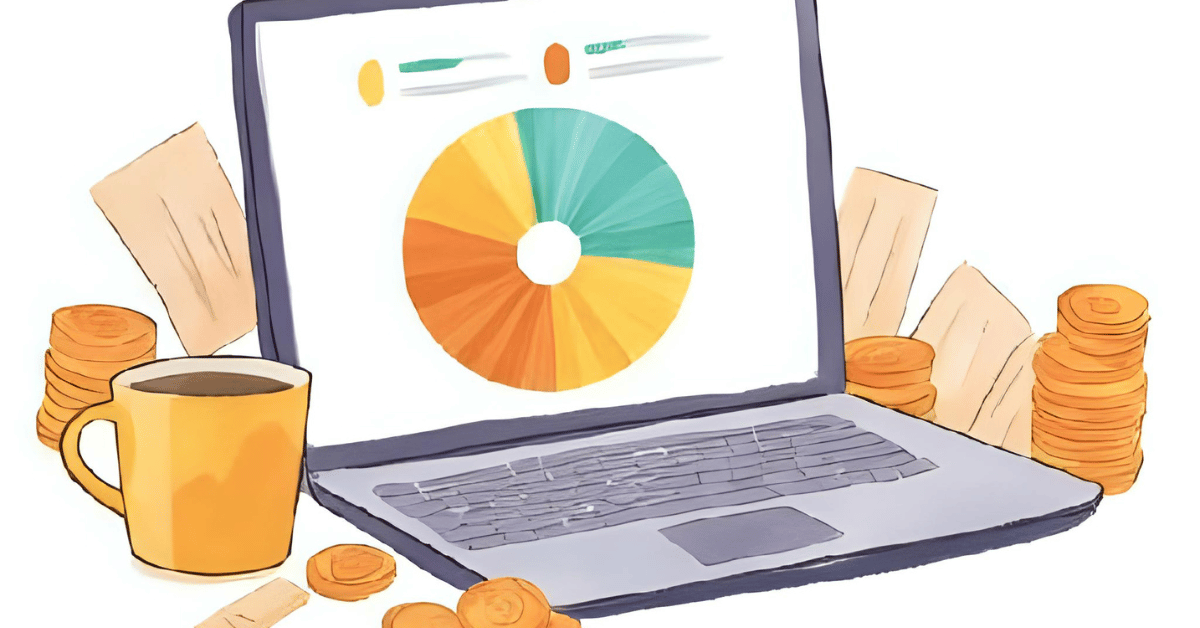
So, I decided to give my budget a little makeover. I created a Python Expense Tracker App. Over the past couple of days, I’ve been fiddling with matplotlib, playing with lines and bars like a spreadsheet Picasso. Today, I thought, “Why not turn this into a pie chart?”—because nothing says responsible adulting like slicing your expenses into pizza-shaped regret. For this mini project, I spared myself the embarrassment of my actual spending and used a clean, innocent example instead. Baby steps.

Today’s Motivation / Challenge


We all love to believe we’re financially savvy… until we see it in a chart and realize we’ve spent more on takeout than utilities. Visualizing data is like turning on a light in a messy room—you suddenly see everything you were ignoring. Pie charts are a beginner-friendly way to practice working with visualizations, and let’s face it: they’re much easier to interpret than bar charts if you’re half-awake with your morning tea.

Purpose of the Code (Object)


This code creates a pie chart that shows how your expenses are split among categories like rent, groceries, and “miscellaneous,” which is often just code for impulse purchases. It helps turn numbers into visuals so you can actually understand where your money goes—without scrolling through endless rows in a spreadsheet.

AI Prompt: 


Write a Python script that generates a pie chart of personal expenses using matplotlib.

Functions & Features

  • Breaks down expenses into categories.
  • Assigns colors to each slice for easier viewing.
  • Automatically calculates percentages and displays them on the chart.

Requirements / Setup

You’ll need:

pip install matplotlib

Minimal Code Sample

plt.pie(expenses, labels=categories, autopct=’%1.1f%%’)

plt.axis(‘equal’)  # Makes the pie chart look like a circle

This generates the core of your pie chart and ensures it’s not shaped like an egg.

Expense Tracker Pie Chart

Notes / Lessons Learned


The code itself wasn’t hard to wrangle—it’s the file names that got me. I confidently ran my script, only to watch Python stare at me blankly. Turns out I’d named the file incorrectly and had the right environment with the wrong target. It’s like dialing the right number but calling the wrong person. Also, adding more categories is easy, but unless you want all your slices to look the same shade of gray, you’ll need to manage your colors better. Next time, pulling data from a CSV file, like a bank statement, would make the tool far more practical—and possibly more shocking.

Optional Ideas for Expansion

  • Import expense data directly from a CSV file.
  • Add a legend to clarify which color means what (before purple becomes both rent and groceries).
  • Turn it into a simple GUI with category input for non-coders.
Flattening the Curve… with Code

Day 39 of 100 Days Coding Challenges: Python

Ah, 2020. The year when “going viral” took on a whole new (and not-so-fun) meaning. I remember first hearing about COVID-19 on the news—some distant reports from China that felt like a world away. A blink later, and boom: the whole globe was upside down, hand sanitizer became currency, and toilet paper was basically gold.

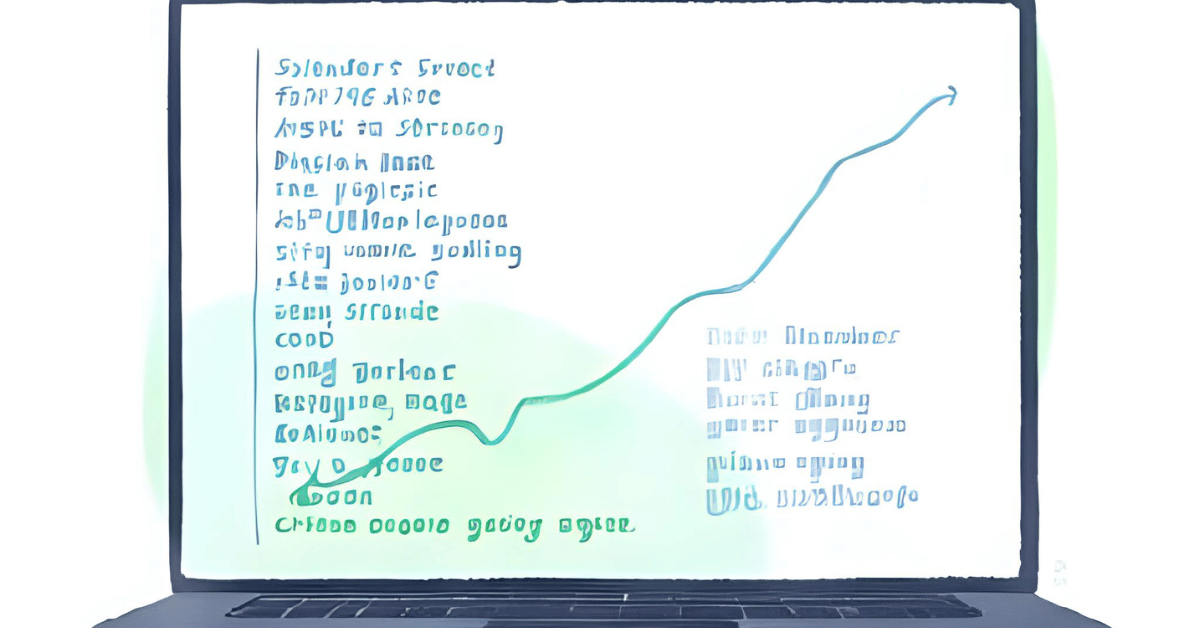
Fast forward to today, and here I am, playing with data from that very same pandemic—except now, instead of panic-buying canned beans, I’m pulling country-specific COVID data from the internet and turning it into lovely little graphs using matplotlib to create my own COVID data visualization program. Over the past few days, I’ve been on a visual journey with this powerful library, and let me tell you: nothing makes data feel more satisfying than watching it turn into a line chart especially when that line isn’t going straight up.

The data source of the day is disease.sh, a surprisingly friendly API for something that deals with viruses. My plan? Fetch real-time data, choose a country, and see what the case numbers look like. And who knows? Maybe one day, this skill will sneak its way into my work life when nobody’s looking.

Today’s Motivation / Challenge

Today’s project is about turning chaos into clarity—something all programmers secretly dream of. There’s something almost poetic about visualizing a pandemic: it’s the difference between abstract panic and concrete trends. This project connects data science to real life, while giving your Python skills some real-world relevance. Bonus points if you feel like a data sorcerer by the end.

Purpose of the Code (Object)

This little script fetches historical COVID-19 case data for any country you choose and plots a neat line graph of daily new cases. It’s like Google Trends, but you made it yourself—with actual code and zero ads. The result? A quick, clear visual of what’s going on behind the numbers.

AI Prompt:

“Create a simple Python program that fetches COVID-19 case data from disease.sh and visualizes daily new cases using matplotlib.”

Functions & Features

  • Fetches COVID-19 historical case data for the last 30 days
  • Converts cumulative case data into daily new case counts
  • Plots the results using a simple, clean line chart

Requirements / Setup

pip install requests matplotlib

Minimal Code Sample

response = requests.get(“https://disease.sh/v3/covid-19/historical/USA?lastdays=30”)

data = response.json()

cases = list(data[‘timeline’][‘cases’].values())

new_cases = [cases[i] – cases[i-1] for i in range(1, len(cases))]

plt.plot(new_cases)

plt.show()

This snippet fetches the last 30 days of COVID cases for the U.S. and plots daily new cases.

COVID Tracker

Notes / Lessons Learned

So, here’s the thing—I’ve been dancing with matplotlib for a couple of days now, and while I’m getting the hang of it, I still feel like it’s a slow waltz with occasional toe-stomping. The library itself is amazing if you’re pulling data off the internet, but setting up the project environment still feels like building IKEA furniture without the instructions.

I made the rookie mistake of renaming my project folder halfway through and then spent way too long trying to activate the wrong virtual environment. Hint: Python doesn’t respond to psychic guesses—you’ve gotta get the name right. Lesson learned. Anyhow, I managed to create a COVID data visualization in a Python program.

The structure of the plotting code feels eerily familiar now—almost like déjà vu with braces and colons. Maybe that’s a good sign: I’m starting to notice patterns, which means I’m leveling up.

Also, when I ran the U.S. data? There wasn’t much new info (thankfully), but the graph still did its thing like a loyal little data dog. Even in a post-peak-pandemic world, the code works, and that’s a small but nerdy joy.

Optional Ideas for Expansion

  • Add an input field to let users type any country name
  • Include a bar chart version for comparison
  • Export the graph as an image to share with friends who still think Python is a snake

How to Track Stock Prices Using Python and yFinance

Day 38 of 100 Days Coding Challenge: Python

Investing has always been a guilty pleasure of mine—right up there with overpriced coffee and late-night book binges. Back when I barely had enough money to buy lunch, I was already trying to buy tiny slices of companies like I was collecting Pokémon cards. Fast forward to today, and every bank app practically throws stock charts at you like confetti. Still, I wanted something that was mine—a tiny, personal stock tracker. One that didn’t nag me about “low balances” or “risky decisions.” So, today’s project? A DIY stock price tracker built with Python. Just me, a graph, and the ever-fluctuating mood swings of the market.

Today’s Motivation / Challenge

There’s something oddly thrilling about watching a stock price graph crawl across your screen like a timid squirrel in traffic. Whether you’re new to investing or just want to see if your gut instinct about Tesla was right last week, tracking prices can be both educational and addictive. Plus, building your own tracker means you’re not relying on whatever clunky UI your bank thinks is “innovative.”

Purpose of the Code (Object)

This simple Python program fetches historical stock prices and plots them in a neat, interactive graph. You enter the stock symbol and date range, and it shows you the closing prices over time—no logins, no ads, no “upgrade to premium” pop-ups.

AI Prompt: 

 “Write a Python script that tracks a stock’s historical closing price over a specified date range and plots it using matplotlib.”

Functions & Features

  • Accepts a stock ticker symbol and a date range
  • Fetches stock data using Yahoo Finance
  • Plots closing prices in an interactive graph
  • Lets you zoom in, pan, and even save the chart as an image

Requirements / Setup

bash

CopyEdit

pip install yfinance matplotlib pandas

Minimal Code Sample

python

CopyEdit

import yfinance as yf

import matplotlib.pyplot as plt

data = yf.download(“AAPL”, start=”2024-01-01″, end=”2024-06-30″)

plt.plot(data.index, data[“Close”])

plt.title(“AAPL Closing Price”)

plt.show()

Fetches Apple’s closing prices and plots them—simple and sweet.

Stock Price Tracker

Notes / Lessons Learned


Today’s hiccup was classic: wrong environment, right idea. I had dutifully created a virtual environment and installed everything I needed—yfinance, matplotlib, and pandas. But when I launched Visual Studio Code, my eager fingers opened the wrong project folder. I ran the code. Boom. Error. No yfinance to be found. After a brief existential crisis and a quick switch to the correct environment, the code ran beautifully. A delightful little pop-up window showed me a clean graph of stock price movements. I could zoom in, pan around, even save it as a PNG. It felt like giving my inner stock nerd a new toy to play with. And yes—I fully plan to turn this into a functional tracker for my own portfolio. No offense to my bank’s app, but mine’s cooler.

Optional Ideas for Expansion

  • Add a moving average overlay to smooth out wild price swings
  • Include volume bars below the price graph for more context
  • Let the user compare two or more stocks on the same chart

Breaking News, Built by Me

Day 37 of 100 Days Coding Challenge: Python

I have so many morning routines now that I need a morning routine just to organize them. Somewhere between meditating, hydrating, and pretending I’ll stretch for ten minutes, I give myself about five sacred minutes to scroll headlines on Google Pixie—my beloved phone, not a whimsical AI assistant (though honestly, close). It’s funny to think how much easier it is now than in the ‘90s, when “catching up on the news” meant flipping through an actual newspaper or—if you were tech-savvy—tapping into Yahoo News. I used to wonder whether those top headlines were handpicked by real people or magically summoned by a robot in a cubicle. Well, today I decided to find out what it feels like to be that robot. Except mine runs on Python and coffee.

Today’s Motivation / Challenge

There’s something delightful about making your own mini news reader. It’s like building a personal butler who only tells you the important stuff—no ads, no clickbait, no Kardashian updates (unless you really want them). Today’s challenge wasn’t just about coding; it was about reclaiming five minutes of my day from mindless scrolling and putting a bit of personality into my news.

Purpose of the Code (Object)

This little script fetches the top headlines from the internet and displays them in your terminal—clean, fast, and focused. You don’t need to open a browser or wade through a swamp of autoplay videos. It’s just a straight shot to what’s happening in the world, courtesy of your own code.

AI Prompt:

Write a Python script that uses NewsAPI to display the top 10 headlines in the terminal. Use environment variables for the API key. Keep the script simple and readable.

Functions & Features

  • Connects to NewsAPI and fetches top news headlines
  • Displays each headline and a brief description (if available)
  • Includes clickable links for more information
  • Clean, readable terminal output

Requirements / Setup

  • Python 3.x

Install these packages:

pip install requests python-dotenv

Minimal Code Sample

from dotenv import load_dotenv

import os, requests

load_dotenv()

api_key = os.getenv(“NEWS_API_KEY”)

response = requests.get(“https://newsapi.org/v2/top-headlines”, params={

    “country”: “us”, “apiKey”: api_key, “pageSize”: 10

})

for article in response.json()[“articles”]:

    print(article[“title”])

This snippet grabs the top 10 headlines and prints their titles. Simple and effective.

News Headline Reader

Notes / Lessons Learned

The coding went suspiciously smoothly today—almost unsettling. I finally did what every tutorial whispers about but no one actually does: I created a dedicated virtual environment. Then I installed the required libraries like a responsible adult. Getting an API key from newsapi.org was straightforward, and I even tucked it safely into a .env file (no more hardcoded sins). .gitignore? Created. requirements.txt? Generated with pride. After a few past failures, I’m beginning to feel like I almost know what I’m doing. It’s like learning to ride a bike, except the bike is made of code and occasionally throws a syntax error.

Optional Ideas for Expansion

  • Add voice support using pyttsx3 to read headlines aloud (hello, audio butler)
  • Let the user filter headlines by category (e.g., sports, tech, science)
  • Include headlines from multiple countries using user input

I Built a Python Translator App I Needed in 1996

Day 36 of 100 days coding challenge: Python

I was born and raised in Japan, where nearly everyone speaks Japanese—surprise! But my household was a bit unusual. We had one of those rare satellite dishes that could pull in BBC and CNN, which meant English voices echoed through our living room long before they echoed through my brain. Add to that a small mountain of English children’s books, and you’d think I’d grow up effortlessly bilingual. Think again.

Later, I landed at an English-speaking university in Montreal, where people didn’t just speak English and French—they often casually tossed in a third or fourth language, like it was a party trick. Some of my classmates had parents who spoke Spanish at home, studied in French, and flirted in English. Meanwhile, I was sweating over conjugating irregular French verbs.

Despite my early exposure, mastering English (let alone French) was no walk in the linguistic park. Reading was one thing, but writing or speaking? That’s where the wheels came off. And back then—mid-90s Internet era—Google Translate didn’t exist. I had Netscape and patience. What I didn’t have was a little button that magically told me what “mettre en valeur” meant in context.

So today’s project? Python translator app. It’s my time-travel gift to my 1996 self: a translator app that could’ve saved me hours of flipping through dusty dictionaries.

Today’s Motivation / Challenge

Language learners know the pain: you read a sentence, understand each word, and still have no idea what it actually means. That’s the magic of context—and a good translator app can bridge the gap. Today, we build just that: a compact, no-nonsense translator you can summon from your command line like a 90s wizard with a keyboard instead of a wand. The goal isn’t to impress Google—it’s to outdo what the 90s Internet couldn’t give us.

Purpose of the Code (Object)

This simple translator app takes any sentence you feed it and converts it into your language of choice. It automatically detects the source language and spits out the translation, so you don’t even have to guess what language you’re struggling with. Think of it as your pocket linguist—minus the academic snobbery.

AI Prompt

That’s all it took. And with a few nudges, the app started behaving like the polite little translator it was always meant to be.

Functions & Features

  • Detects the input language automatically
  • Translates text to your chosen language
  • Supports dozens of language codes (like en, fr, ja, es)
  • Simple input-output interface via terminal

Requirements / Setup

pip install deep-translator

Tested on Python 3.13, but it works on any modern Python 3.x version.

Minimal Code Sample

from deep_translator import GoogleTranslator

translated = GoogleTranslator(source=’auto’, target=’fr’).translate(“I love books”)

print(translated)  # Prints: J’aime les livres

This line auto-detects the language and translates the sentence into French.

Python translator app

Notes / Lessons Learned

I started with an error today—like a true developer. I tried installing googletrans==4.0.0-rc1, which decided to throw a tantrum because it needed httpx 0.13.3, but my existing openai package was having none of it. The moment I hit run, Python practically screamed: “Pick a side!”

This was the moment I remembered virtual environments exist for a reason. If you’re juggling multiple packages like a circus clown with too many flaming clubs, isolate your apps before things catch fire. I’ll revisit virtual environments properly another day—but for now, I needed a workaround that worked.

Enter deep-translator. Easy install, no dependency drama, and—bonus—it respects your choice to lowercase your language codes. But be warned: this library is case-sensitive. Type FR instead of fr, and it gives you nothing but disappointment. You’ve been warned.

Optional Ideas for Expansion

  • Add a GUI interface with Tkinter or Streamlit to make it look more like a real app
  • Build a “translation history” feature to track past phrases
  • Integrate with a text-to-speech tool for pronunciation help

When Banks Get Boring, Build Your Own Converter

Day 35 of 100 Days Coding Challenge: Python

As an accountant, I sometimes find myself wrangling with currencies like the Euro or the Yen—especially when it’s time to pay international vendors. Sure, I could just hop over to a bank’s website to check the latest rate and be done with it. But where’s the fun in that? There’s something satisfying about making a mini tool that does the fetching for you. It’s like teaching your computer to do the boring part while you sip coffee and pretend you’re working very hard. Besides, who wouldn’t want their own personal exchange rate butler?

Today’s Motivation / Challenge

Today’s project was all about merging curiosity with practicality. Currency converters might not sound glamorous, but they’re surprisingly useful—and they offer the perfect excuse to explore how APIs work in the wild. Plus, if you’ve ever had to double-check if you’re about to overpay a vendor in yen, you’ll understand the thrill of watching your own Python script spit out the answer faster than your bank’s clunky interface ever could.

Purpose of the Code (Object)

This script fetches real-time exchange rates and converts any amount between two currencies. Instead of trusting your memory or the whims of Google, you can just run this quick script and let it do the math. It’s lightweight, no fuss, and runs right in your terminal.

AI Prompt:

Convert currency between any two valid codes using live data. Keep it light. No API keys, no hassle.

Functions & Features

  • Converts between any two standard currency codes (e.g., USD to JPY)
  • Fetches live exchange rates from a free public API
  • Displays the converted amount in real time
  • Includes error handling for invalid codes or bad input

Requirements / Setup

You’ll need:

pip install requests

Works with: Python 3.x

Minimal Code Sample

url = f”https://open.er-api.com/v6/latest/{from_currency.upper()}”

response = requests.get(url)

rate = response.json()[“rates”].get(to_currency.upper())

converted = amount * rate

This fetches the latest rates and calculates the converted amount.

Currency Converter

Notes / Lessons Learned

This program did not go down without a fight. There are two main ways to fetch real-time exchange rates:
Option 1 is using https://api.exchangerate.host/convert, which is free and doesn’t need an API key. It sounded perfect. I plugged in the URL, hit run, and got… nothing. After far too much debugging, I realized the problem wasn’t the code—it was that something on my system was redirecting that link to exchangeratesapi.io, a completely different API that demands an API key. DNS goblins? Old environment settings? Ghosts of APIs past? Who knows.

So, I switched to a new free option: https://open.er-api.com. No signup, no key, and it worked like a charm. The moral of the story? Sometimes the easiest-looking door is secretly locked, and the best path forward is just to find a different door. Preferably one that doesn’t ask for your email address.

Optional Ideas for Expansion

  • Add a list of common currency codes for reference
  • Let users select currencies from a simple dropdown in a GUI version
  • Track historical exchange rates for past transactions

BMI: Bridging the Gap Between Kilograms and Inches

Day 34 of 100 Days Coding Challenge: Python

I built my first Flask BMI calculator back on Day 7—just me, Python, and a simple formula. It worked well for metric units, crunchiDay 34 – BMI: Bridging the Gap Between Kilograms and Inchesng the numbers in centimeters and kilograms without complaint. But today, I decided to revisit it with a friendlier approach: one that welcomes both metric and imperial users. After all, some people think in kilos, others think in pounds—and both deserve an app that meets them where they are. So, I gave it a new home in Flask and added support for both systems. A small upgrade, but a meaningful one.

Today’s Motivation / Challenge

BMI calculators are a classic beginner’s project. They’re easy to understand, quick to build, and surprisingly useful. But for me, this wasn’t just about calculating numbers—it was about building a more thoughtful, inclusive tool. Rewriting it in Flask gave me a chance to sharpen my web development skills while creating something a little more flexible and user-friendly.

Purpose of the Code (Object)


This code creates a simple web app that calculates your Body Mass Index (BMI) based on your height and weight. You can choose between metric or imperial units, and the app will give you your BMI along with a general category, like “Normal” or “Overweight.” No fuss, just quick feedback.

AI Prompt:

“Create a Flask web app that calculates BMI from user input. Include support for both metric and imperial units, and display the result with a category like ‘Normal’ or ‘Overweight’.”

Functions & Features

  • Lets users select metric (kg/cm) or imperial (lb/ft+in)
  • Accepts user input for height and weight
  • Calculates BMI using the appropriate formula
  • Categorizes results (e.g., Underweight, Normal, Overweight, Obese)

Requirements / Setup

  • pip install flask

Minimal Code Sample

if unit == “imperial”:

    total_inches = float(ft) * 12 + float(inch)

    bmi = round((float(weight_lb) / (total_inches ** 2)) * 703, 2)

else:

    height_m = float(height_cm) / 100

    bmi = round(float(weight_kg) / (height_m ** 2), 2)

// Calculates BMI based on the selected unit system.

MBI Calculator Using Flask

*** I am very sorry, I realized I forgot to add to GitHub. I uploaded later. ***

Notes / Lessons Learned


When I first started working with Flask, things got messy fast. Each new app ended up in its own makeshift folder, and before long, I discovered that Flask can be downright fussy about file locations—especially when it comes to templates. That lesson pushed me to get organized. Now, every project gets its own environment, a dedicated folder, and a clearly named app file (I’ve officially retired the one-size-fits-all “app.py”). I also learned to run multiple apps on different ports, which made testing far less chaotic. A bit of structure early on, it turns out, saves a world of confusion later.

Optional Ideas for Expansion

  • Add JavaScript to display BMI results instantly without reloading
  • Store BMI history so users can track changes over time
  • Include wellness tips based on BMI results

Flask Forward: Building a Blog From Scratch (and Mild Panic)

Day 33 of 100 days coding challenge: Python

Personal Experience

I’ve been blogging for over six years, but not like this. My usual workflow involves logging into a WordPress site, clicking “New Post,” and typing away like a caffeinated raccoon. No programming. No servers. Definitely no manually structured file trees.

Then yesterday, I discovered Flask—a micro web framework in Python—and I couldn’t resist the “Hello, World” charm offensive. Today, I took it a step further: I built a miniature blog app. Not styled. Not database-backed. But it works. I can write a post, hit submit, and watch it appear like magic (or slightly awkward sorcery). It’s not pretty—yet—but it’s mine. And honestly, playing with this new toy has me feeling like the proud owner of a digital Easy-Bake Oven. You throw in some code, and out pops a web page. Delicious.

Today’s Motivation / Challenge

I’ve used blogs for years, but never thought of building one from the ground up. Today’s challenge wasn’t just about learning Flask—it was about flipping the curtain on the software I use every day. It’s like going from “driving a car” to “building one with duct tape and curiosity.” And you know what? Turns out the engine runs just fine.

Purpose of the Code (Object)

This mini app creates a simple blogging website. You can add a new post, view all existing ones, and pretend—for just a moment—that you’re running your own minimalist content empire. It doesn’t use a database yet—just keeps your posts in memory—but it’s a great stepping stone.

AI Prompt:

Write a simple Flask app that displays blog posts and lets users add a new one through a form. Keep it minimal, with in-memory storage and two HTML templates: one for the homepage and one for the post form.

Functions & Features

  • Displays a list of all blog posts
  • Lets users create a new blog post via a form
  • Stores posts temporarily (in memory)

Requirements / Setup

pip install flask

You’ll need Python 3.6 or later. Then just run app.py and open your browser.

Minimal Code Sample

@app.route(‘/new’, methods=[‘GET’, ‘POST’])

def new_post():

    if request.method == ‘POST’:

        title = request.form[‘title’]

        content = request.form[‘content’]

        blog_posts.append({‘title’: title, ‘content’: content})

        return redirect(url_for(‘home’))

    return render_template(‘new_post.html’)

This route displays a form or saves a post, depending on the request.

Mini Blog App

Notes / Lessons Learned

When working with Flask, file structure isn’t just a “nice to have”—it’s the entire vibe. The templates folder must be in the exact same level as app.py, or Flask will act like it doesn’t know you. I spent a good hour wondering why my beautiful new form page was blank. A quick “View Page Source” revealed… nothing. That’s when I realized: I hadn’t saved the file. Turns out I’d disabled auto-save in VS Code, and my new_post.html was basically a digital tumbleweed. Once I retyped it, saved everything properly, and restarted the app, the blog sprang to life—albeit looking like a Geocities relic. But I made it. And that’s what counts.

This experience reminded me: fancy tools are fun, but building something with your own code—flaws and all—is a different kind of thrill. I’m starting to see the potential here. Flask is no longer just “that framework with a cool name”—it might be the engine behind my next real web project.

Optional Ideas for Expansion

  • Add a timestamp to each post
  • Style it with Bootstrap for instant visual credibility
  • Save posts to a text file or SQLite database so they don’t disappear on refresh

How to Build Your First Flask Web App in Python (Hello, World!)

Day 32 of 100 Days Coding Challenge: Python

Today I met Flask—and no, not the kind you sneak whiskey into conferences with. This one is a web framework, and it’s my first real step into the world of web applications. At first glance, the code looked suspiciously simple: import Flask, create an app, slap a “Hello, World!” on the screen. That’s it? Really?

But behind that humble greeting lies a whole new realm of possibilities. I’m already plotting how to use this for my future AI projects. Imagine wrapping a Python model into a sleek web interface—Flask makes that not just possible but practically inviting. For now, I’m staying in my lane and keeping it small. One “hello world” at a time. Baby steps, but hey, even Iron Man had to build his first suit in a cave.

Today’s Motivation / Challenge

Building websites sounds like something best left to Silicon Valley wizards, but today proved it doesn’t have to be. Flask gives you a gentle nudge into the web world, perfect for anyone who’s ever wanted to turn a Python script into something users can actually interact with. No dragons to slay, just a server to run.

Purpose of the Code (Object)

This little project sets up a tiny website on your computer that proudly displays “Hello, World!” when you visit it in a browser. It’s the classic starter app, but this time, you’re doing it with your own Python magic. Think of it as shaking hands with the Internet.

AI Prompt

Make a Flask app that runs a server on localhost and displays “Hello, World!” on the homepage.

Functions & Features

  • Runs a basic web server locally
  • Displays a message (“Hello, World!”) when you open the site
  • Prepares the foundation for future web-based apps

Requirements / Setup

pip install flask

Minimal Code Sample

from flask import Flask  

app = Flask(__name__)  

@app.route(‘/’)  

def hello():  

    return ‘Hello, World!’  

This sets up a web route at / and returns a greeting when accessed.

Flaskapp

Notes / Lessons Learned

This was surprisingly fun. I’ve never built a web app before, but now I’ve got a tiny server cheering me on from my browser tab. There’s a lot more to learn—routing, templates, maybe even form handling—but I already see how this can be the launchpad for my AI work. I’ve been tinkering with Python models in isolation, but now I can give them a proper front door. The best part? I didn’t need a massive framework or a team of developers. Just me, Flask, and a mildly confused browser.

Optional Ideas for Expansion

  • Change the greeting based on the time of day
  • Add a new route, like /about, to test routing
  • Connect it to an AI model that responds with something witty (or weird)

Calendar Chaos: Now Starring You

Day 31 of 100 Days Coding Challenge: Python

Back in the pre-Google-stone age, I was the kind of person who printed out monthly calendars like I was running a tiny print shop. Menu plans, exercise routines, music lessons, sports schedules—you name it, it lived on my calendar. When I was a student, if it wasn’t written down, it didn’t exist. My calendar was my brain’s external hard drive. Fast forward to my first real adult job: I marched into a store and proudly bought myself a Franklin Covey agenda. The deluxe version. It felt like holding the crown jewels of time management. I’ve always loved the feeling of flipping to a fresh week, filling it with possibility (and color-coded chaos). So, when I realized I could make my own Python calendar app from scratch? Let’s just say I had a moment. Sure, it’s not going to dethrone Google Calendar anytime soon, but it’s mine—and it doesn’t send me passive-aggressive push notifications.

Today’s Motivation / Challenge

Calendars are one of those tools we don’t think about until we need them—or lose them. Today’s project taps into the part of us that loves order, hates forgetting birthdays, and secretly dreams of color-coded to-do lists. Building a calendar app is a great way to connect programming with everyday life. Plus, who doesn’t want to click a button and feel like they’ve conquered time?

Purpose of the Code (Object)

This little app lets you view any month and year in a simple graphical layout. You can click on a day to add a note (because you will forget Aunt Susan’s birthday), and today’s date gets a nice highlight so you don’t accidentally time-travel. It’s not fancy, but it’s useful—and surprisingly satisfying.

AI Prompt: 

Add features to highlight today’s date, allow users to click on a date to add a note, and save those notes in a local file. Keep the interface clean and simple.

Functions & Features

  • View any month and year in a calendar grid
  • Highlight today’s date in green (because you deserve attention)
  • Click on a date to add a note or reminder
  • Save notes automatically in a JSON file
  • Bold and blue font indicates a note exists

Requirements / Setup

Python 3.x

No external packages required

Minimal Code Sample

btn = tk.Button(…, command=lambda d=day: self.add_note(d))

if day == today.day and month == today.month and year == today.year:

    btn.config(bg=”lightgreen”)  # Highlight today’s date

This sets up each calendar button and highlights today’s date.

Customizable Calendar

Notes / Lessons Learned

This time, I jumped right into the GUI version because—let’s be honest—it’s way more fun to see a calendar than to stare at a wall of text. At first, all it did was show the month. Cool… but also about as interactive as a printout taped to your fridge. So I started tinkering. First, I made it highlight today’s date—because every hero needs a spotlight. Then I added the ability to attach notes to specific days. Now, do those notes pop up when you hover or click? Not yet. But the font turns blue and bold, and that’s enough to make my inner calendar nerd happy. For someone who thrives on color-coding their life down to what to eat on Tuesday, this project hit all the right buttons. Literally.

Optional Ideas for Expansion

  • Add a note viewer pane to display saved events when clicked
  • Export notes as a CSV for your future time-travel journal
  • Add color tags for event types (work, personal, world domination)