
From Level 5 to Thriving: My Kidney Recovery Journey

Written March 6, 2025

Hello Dear Readers,

Ah, the quarterly nephrologist appointment—an event marked on my calendar like a mini health report card. Today was the day.

Once upon a time (and not in a fairytale way), my kidneys decided to stage a dramatic exit, dropping to level 5. For those unfamiliar with the kidney hierarchy, level 5 means you’re not just playing the waiting game—you’re officially in line for a transplant. That’s when my recovery story began.

While waiting for a kidney that might never come, the doctors handed me a to-do list. First up: peritoneal dialysis. That meant getting a catheter—a thin, flexible tube—implanted in my abdomen. My wife, ever the rockstar, took on the role of my personal dialysis technician, administering treatments four times a day. Since dialysis waits for no one, she had to put her job on hold. Meanwhile, I was also dealing with double vision thanks to a stroke, just to keep life extra interesting.

Next on the list? A complete dietary overhaul. Protein—limited. Dairy—cautioned. Even seemingly harmless greens—monitored. And salt? Not a big loss, since we’ve never been big fans anyway. But the adjustments weren’t easy. Every meal felt like a science experiment in portion control and kidney-friendly nutrition.

Then, one day, my doctor hit me with a plot twist: “Well, your kidneys are somehow recovering.” Just like that, dialysis was out, the catheter came off, and my wife could return to work. We stuck to the diet, kept up with regular check-ups, and—miraculously—my kidneys climbed back up to level 3. No more waiting lists. Just a whole lot of monitoring.

That’s why I wear a special watch that tracks everything from my blood pressure to my heart rate. I also keep an eye on my weight because, with my kidneys, even small fluctuations can mean trouble. And speaking of health habits—my wife had the brilliant idea of introducing exercise. At first, even walking with a walker felt like an uphill battle. But we stuck with it. Over the years, the walker turned into casual strolls, which turned into steady jogging. Now, I run. A lot. And somewhere along the way, I traded in excess fat for a leaner, healthier body.

Of course, I still have to be extra cautious. A simple flu or cold can throw my whole system into chaos. But for the most part, I’m in control.

As for today’s appointment? Smooth sailing. My nephrologist gave me the green light—no major concerns, no urgent changes. I did bring up a small worry about my blood pressure occasionally dipping too low, but since my averages are stable, it’s a ‘wait and see’ situation.

The only hiccup? The waiting room. Nearly an hour before I got called in. But hey, patience is a virtue, right? Plus, I got my quarterly visit checked off without any surprises.

Next appointment? Another Wednesday—aka my running day. No problem, I’ll adjust my schedule accordingly.

For now, I’ll keep doing what I’ve been doing. Because somehow, against the odds, it’s working.

Rain, Appointments, and the Tragedy of a Missed Run

Written March 5, 2025

Hello Dear Readers,

Today, disappointment takes center stage. Nothing earth-shattering—no grand betrayals, no existential crises—just a simple, frustrating reality: I have a doctor’s appointment, and it’s trampling all over my running plans. Normally, I outmaneuver these scheduling dilemmas by booking appointments on non-running days, but this time, fate (or, more accurately, my doctor’s availability) had other plans. And so, my run is officially benched.

At first, I entertained the idea of running after the appointment, a valiant attempt at compromise. But then, I checked the weather: gray skies, a steady drizzle, the kind of rain that makes the world look like it’s mourning some cosmic injustice. It’s not a storm—there are no dramatic lightning bolts to justify staying indoors—but it’s just annoying enough to sap the joy out of a run. I could still go, but do I want to? Not really.

The irony of all this is that I never used to care about running. Actually, I despised it. My wife, on the other hand, has always been an outdoors enthusiast, the type who sees a forest trail and thinks, adventure! while I see it and think, mosquitoes. Left to my own devices, I would have happily remained a devoted indoor creature, perfectly content within four walls. But the more time I spent with her, the more I found myself dragged—reluctantly, at first—into nature. Running, however, was an entirely different beast.

I started running for her. After my stroke, she worried about my mobility, my brain function, and my ability to move with ease. She saw running as a way to keep me sharp and strong. And because I saw her as someone worth listening to, I ran. Not because I wanted to, not because I had any burning passion for the sport, but because making her happy was reason enough.

Of course, she saw through that instantly. “What happens if I’m not here?” she once asked, with a look that could cut through steel. “Would you just stop?” She argued that motivation needs to be internal and that relying on external forces makes for a fragile commitment. I nodded along, pretending to agree, but deep down, I wasn’t sure she was wrong.

Then, somewhere along the way, something shifted. It crept up on me, subtle and unexpected. Running became less about obligation and more about, well… me. I started to enjoy it—maybe even need it. And now, here I am, feeling genuinely frustrated about missing a run—not for my wife’s sake, but for my own. Somehow, that motivation she kept talking about had rooted itself deeper than I realized.

Now, I sit here, staring at the window, checking my weather app like it might miraculously change in my favor. It doesn’t. The sky remains gray, the drizzle continues, and my disappointment lingers. But really, what’s the point in sulking? I could try to make up the run tomorrow—though that might throw off my Friday schedule. I’ll decide when the time comes. One thing’s for sure: next time, I’ll fight harder for a non-running day appointment. But if I have to choose between my health and my run, the run will lose. Reluctantly.

Running Through the Cold: A Journey of Mobility, Goals, and Resilience

Written December 6, 2024

Hello Dear Readers,

Today was so cold that I thought I was running in an enormous Freezer. Since I had new running goals, I had to run 10k in this weather, but I was reluctant to do so because of the weather.

Despite the cold weather, I managed to complete my run. My wife, who ran earlier in the morning on the same day, complained that the cold weather made her body stiff. I understand what she felt. I also needed to expend much more energy in cold weather to run and keep myself warm. I couldn’t beat my pace time, but I got close enough to be satisfied with my effort.  

I have been exercising stoicism when it comes to running. No matter the weather, I try to keep my promise to run. At first, I started running because my wife wanted me to walk toward getting better. She wanted me to have more endurance and the ability to walk or run. Since the brain stroke, I no longer drive cars, so I always have to ask my wife to drive me around. The ability to walk or run is my freedom of mobility outside the home.

We moved to a house near a doctor’s office, a dentist, and everything else I wanted to visit alone. Unless it is bad weather, I do not even ask my wife to drive to those places. The house is approximately 1.3 miles from these offices, so I can easily walk there. It was my freedom of mobility. 

Several years since I started running, running became my goal. It is no longer my wife’s goal. I internalized my vision and created the goal. They may not be aggressive, but I am steadily improving my running ability. 

I came to understand that it is right to approach your goal more slowly. I adjusted my running goals as per my capacity. The most crucial part is you are committed to the goals. I create a yearly goal with another layer of small goals underneath it. I adjust them quite frequently. It happens to me that things don’t work out very well on many occasions. I often stumble upon stagnation. If you read my blogs regularly, you already know that. It could be daunting and frustrating. Over time, I learned to make frequent adjustments to the goals. I may tweak how I achieve the goal. I sometimes tone down my goals. The important thing is not to give up and to commit to your goals.

I’ll also need to run a 10k tomorrow, but at least the weather will be more conducive.  Aside from running in the cold, I completed all my routine Friday chores and ate my usual Friday food, along with the last cider we got last Saturday.

From Mowing Leaves to Life Lessons: Embracing Consistency After a Stroke

Written November 19, 2024

Hello Dear Readers,

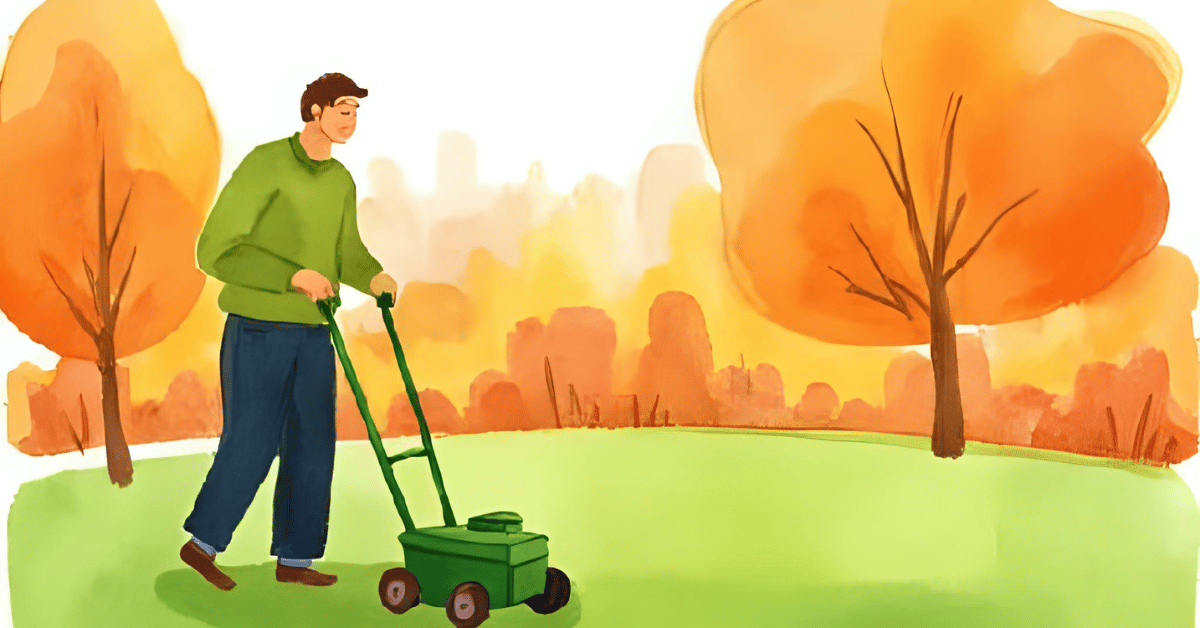
Today, I’ve elected to forego leaf collection. Due to the warm rainy days last week, I decided to mow the lawn. As I mowed the lawn for the last time, I mulched the remaining leaves in our yard to the point I could skip leaving vacuuming chores for the day. Compared to the previous week, we are having some cold days. My body was somewhat used to the warmer days; I am having difficulty adjusting to this chilly weather again. 

We usually don’t have to mow around this time. I was somewhat disappointed at needing to mow again, as I had thought I’d finished that chore for the year. Somehow, the weather had its own plans. The erratic weather resulted in some late extra growth to create a little spring to the point that promoted grass and trees to create some new greens. Hopefully, I’ve now reached the end of mowing for the year. 

The mower mulched the relatively few leaves on our lawn, leaving it reasonably clear. So, skipping the leaves will be a pleasant break for me. I noticed some of my neighbors started to put Christmas decorations outside. Once Thanksgiving is over, there will be a lot more decorations. 

Ever since my brain stroke, I have learned to be consistent. I can’t imagine how I changed. I was more impulsive and liked to procrastinate. When I had to re-learn even basic actions, such as how to eat or walk, it taught me to be more patient. I learned that the best way to avoid forgetting to do something is to plan well and create a checklist. My wife is big on planning and making checklists. She jokes she does not trust herself to be consistent otherwise. 

I realized that consistency has excellent benefits. For one, I was able to run 10 km without problems. I even started doing my muscle training, and I gained a lot more muscle. I always had toned muscles because I used to do gymnastics. When I was in bed for almost two months after the stroke, I lost a lot of muscles. I sleep and wake up at the intended time, so my biological clock works. I had difficulties reading books due to my eyes, so my wife got me audiobooks. I listened to my audiobooks all the time. I also learned how to cook and Japanese. Now, I pick up on writing. 

Chores, like vacuuming leaves or even mowing, need consistency. I get tired much faster than before, especially when the weather is extreme. I will do as much as possible within my capacity, but I do them consistently. I get them done all the time. If I think like that, I lost a lot from my brain stroke, but I also gained good habits from it.

An Interesting Early Autumn Yard Tale Of Unspoken Tree

Written Septermber 10, 2024

Hello Dear Readers,

It’s only early September, but our lawn is covered in leaves. The reason behind this premature leaf fall is two trees in front of our house. The larger one, a towering presence on our neighbor’s property, overshadows the smaller tree on ours. When we had an arborist inspect a tree at the back of our house, he informed us that the smaller tree on our property was struggling. Its health is declining due to competition from its larger counterpart next door. I suspect there’s a silent battle for resources happening beneath the surface. Unfortunately, our tree is on the losing side.

It’s fascinating to think about how trees, which appear so still and tranquil, constantly struggle for survival. We don’t often consider what goes on underground, where their roots stretch out in search of water and nutrients. Our smaller tree, likely overshadowed and outcompeted by the larger one, shows signs of stress. It frequently sheds branches during strong winds, even though it looks healthy on the surface. It also seems to lose more leaves than the bigger tree, which is surprising given their relative sizes.

This year, both trees are shedding their leaves much earlier than usual. The lack of rainfall might be a contributing factor. Lawns around the neighborhood appear to be suffering, looking patchy and dry. It starkly contrasts with when we first moved to Nashville from Oregon in August 2018. We were struck by how lush and green everything was here. In Oregon, the dry summer season and water usage restrictions made it challenging to maintain a vibrant lawn. My wife, a lawn care expert in her own right, used to water our lawn sparingly but for extended periods to encourage more profound root growth. Having lived in the Waterloo region of Ontario, Canada, where water restrictions were common, she was well-practiced in keeping grass healthy with minimal resources.

Maintaining our yard has become more complicated over the years. With the early leaf fall this season, I’ve found myself transitioning seamlessly from mowing the lawn to collecting leaves. Fortunately, it’s been dry for the past week, making vacuuming the leaves much easier. Today, I spent a few hours on this task, stopping only when our water delivery arrived.

The cooler temperatures have been noticeable lately. The crispness in the air signals that autumn is just around the corner. It’s a reminder of how quickly seasons change and how each one brings its own set of challenges and rewards. Ever since my brain stroke, managing these chores has become more challenging. I’ve had to learn to pace, take breaks when needed, and not overexert myself.

Despite the extra work, there’s something satisfying about yard work—mowing the lawn, collecting leaves, or tending to the garden. It connects you to the changing seasons in a tangible way. I’m looking forward to the colors of autumn, even though it means more leaves to rake. Soon enough, my yard work will halt as winter sets in. At least we won’t have to worry about shoveling snow daily like in other parts of the country. For now, I’ll enjoy the last of the warmer days, the occasional leaf collection, and the beauty of this early taste of autumn.

Mastering Shower Routines After a Stroke to regain Independence

Written 6/17/2024

Hello Dear Readers,

One of the abilities I lost after my stroke was taking a shower by myself. It is ironic, but taking a shower is one of the private activities I enjoy a lot. For the first several months, I had my wife help me take a shower. I always wanted to regain the ability to shower, so I determined to train myself.

It took longer than I would have liked. When you get severe brain trauma, you will forget how to move your limbs. You suddenly feel like you are in a body that I have no control over. I had to be patient about it; it would be dangerous if I started to take my shower without being in control of my ability to move. Slowly, I started to regain mobility.

When I tried to take a shower, I noticed that some of my overcalculated versions of impulsive tendencies due to stroke started to creep into many of my behaviors. In other words, some of these behaviors suddenly overwrite my activities. I need to remember to do some clearing. I quickly realized that I have to be systematic with my activities to control my impulsive tendencies. 

How can I overcome this challenge? I decided to use exactly the same method to control my other impulsive tendencies. I used a method very similar to how I trained myself to remember to do many things. I do a series of rituals in the shower. I must remember normal things are not normal for me.

When I realized and contemplated what I thought was normal, I gained the habit of anticipating what would happen throughout the day and deciding how I wished to respond. Believe me, when you don’t have your body’s normal movement, there are many anticipated events. I think about it a lot while I am showering. 

Some people may say it is a mental simulation. My wife will say disaster or risk management, and I say that is my normal life. In some ways, my reaction was still impulsive when an anticipated event occurred, but it was at least one more in line with how I had previously decided was preferable. There were also times when my planned response was different from what I should have wished to do. Yet, I find myself with the planned response taking the place of the impulsive reaction.

Controlling The Turbulent Waters of Impulsivity After a Stroke

Written 6/16/2024

Hello Dear Readers,

From a young age, I’ve battled with an impulsive streak. Ideas would hardly settle in my mind before I found myself acting on them. This trait often landed me in hot water, especially during my school days. I recall sitting in class, deeming the lecture both dull and incorrect, and voicing my disagreement without a moment’s hesitation. Over time, I learned to curb these impulses, training myself to pause and make conscious choices before reacting. Although perfection eluded me, I gradually gained a semblance of control over my actions, a victory in its own right.

However, this hard-earned self-control was one of the casualties of my stroke. Suddenly, I found myself grappling anew with my old impulsivity, which made itself known in ways both frustrating and perilous, particularly during my initial stay at a care center. A typical example was my frequent, middle-of-the-night awakenings with an urgent need for bathroom use. Under normal circumstances, this would be a straightforward, albeit annoying, situation. However, in my post-stroke weakened state, these moments became fraught with danger.

I vividly remember one such instance when, on the immediate impulse to get out of bed, I sprawled on the floor. The loud buzzing of an alarm followed, signaling a nurse to my unintended distress call. After triggering the bed’s alarm system, I faced a stern reprimand. I was instructed to press a call button and wait for assistance instead of attempting to rise. Despite this clear directive, the impulse to get up before remembering to press the button happened repeatedly, each incident a stark reminder of my diminished control.

As the frequency of these accidents increased, my wife and mother alternated nights by my side, vigilantly ensuring that I didn’t fall out of bed. This period of intense vulnerability was humbling and highlighted the extent to which my stroke had stripped away the coping mechanisms I had painstakingly developed over the years. Alongside the resurgence of impulsivity, I discovered a heightened distractibility that made concentration a formidable challenge.

Reflecting on these experiences, I recognize that the journey of recovery and adaptation is as much about relearning and restructuring old strategies as it is about physical rehabilitation. The process is slow and often discouraging, but it is also filled with moments of profound learning and personal insight. Regaining control over my impulsivity hasn’t just been about preventing physical falls; it’s been crucial in reestablishing a sense of agency and self-assurance shaken by my stroke.

In sharing my story, I hope to offer solace and understanding to those navigating similar challenges. Whether it’s due to a stroke or another life-altering event, the path to reclaiming bits of oneself can be arduous and steep. Yet, with perseverance and support, gradual progress is possible. It’s a testament to the human spirit’s resilience and adaptability to unforeseen changes.

Navigating the Extremes: How My Stroke Altered My Sensitivity to Temperature

Written May 13, 2024

Hello Dear Readers,

The aftermath of my stroke brought with it numerous challenges, one of the most pronounced being my diminished ability to tolerate discomfort. This change has manifested most noticeably in my sensitivity to temperature fluctuations—I am perpetually feeling too hot or cold, often simultaneously. At first, this constant state of thermal discomfort was baffling. Can you fathom feeling both overheated and chilled at the exact moment? It seemed absurd.

After much reflection, I’ve realized that my stroke has fundamentally altered what I refer to as my “threshold of discomfort tolerance” for both extremes of temperature. Oddly enough, these sensations often overlap, adding an extra layer of complexity to my daily experiences.

Living in Nashville, where the weather can be pretty erratic—chilly mornings in the low 50Fs swiftly giving way to mild afternoons in the 70Fs—has not made things easier. Following my stroke, my body’s ability to adapt to external temperatures has significantly weakened. This inability to regulate my internal temperature plays a crucial role in influencing my physical activities, particularly running.

Running, like any form of exercise, inherently involves some discomfort, which is essential for gaining strength and improving cardiovascular health. However, every additional element of discomfort is magnified for someone facing a challenge like mine, where the body’s temperature regulation is compromised. Whether it’s excessive heat or cold, strong winds, or high humidity, each condition contributes to discomfort and reduces the threshold available for pushing my running speed.

Since controlling the weather is beyond my reach, I focus on managing what I can—like selecting appropriate running attire to mitigate the impact of these external conditions on my body. I suspect these issues stem from my autonomic nervous system, though I’m unsure how to address this directly. My approach now involves keeping mental notes and exploring potential strategies to cope more effectively with these challenges.

The Silver Lining: Finding Positivity After a Stroke

Written on January 9, 2024

Hello Dear Readers,

I would never have willingly chosen to experience a stroke. Yet, it’s undeniable that not all outcomes from this ordeal were adverse. My journey through stroke recovery has led to several unexpected improvements in my life.

Before the stroke, I was battling clinical depression, a heavy and constant companion. However, post-recovery, this burden has significantly lifted. While I can’t attribute this change solely to the stroke, it certainly acted as a catalyst for many other transformations that have helped alleviate my depression.

Dealing with hypertension or kidney issues necessitates a careful consideration of diet. In my case, meat consumption is minimal, and dining out has become a rarity. Fast food is almost entirely off the menu. My wife, believing in the power of physical activity to aid brain health, encouraged me to start running—a practice I had never engaged seriously in before my stroke.

This health scare has revolutionized my approach to exercise, diet, and sleep—critical components of a lifestyle that combats depression. Although these changes were initially made to address my stroke and kidney disease, they have had the added benefit of improving my mental health. The irony is not lost on me. At the same time, I had struggled to implement these lifestyle changes to combat depression directly; the stroke forced my hand, leading to a healthier way of living that inadvertently addressed my mental health issues.

Admittedly, adopting an optimistic outlook does not come naturally to me. Yet, I find myself grateful for having overcome depression, despite wishing that it hadn’t required enduring a stroke and kidney failure to achieve this victory. Since I can’t alter the past, I’ve chosen to focus on appreciating what I have now instead of mourning what was lost.

This journey has taught me that within the heart of adversity lies potential for growth and healing. While the path to recovery was neither chosen nor easy, the resultant shift in my lifestyle and perspective has significantly improved my overall well-being. It’s a poignant reminder that the most profound changes sometimes come from unexpected places.


Journey of Resilience: Navigating Rehabilitation and Hope After a Stroke

Re: Rediscovering Myself After a Stroke: A Journey Back to Youth


Several weeks after Brian commenced his rehabilitation journey, we focused on improving his walking ability. The stroke had significantly weakened his muscles and robbed him of control over his legs and arms. Despite this, his brain retained the memory of movement, leading to a challenging phase where Brian would wake up at night, attempting to go to the bathroom as he used to, only to fall due to his weakened muscles. The frequency of these incidents at the rehabilitation center resulted in numerous calls from the facility, prompting Brian’s mother and me to stay with him overnight.

Brian’s frustration was palpable. At one point, he contemplated abandoning all efforts toward recovery. He was a perfectionist by nature, accustomed to meeting high standards independently. The stroke’s aftermath, which left him dependent on others for basic needs, was a source of significant distress. He expressed the extent of his despair, prompting a stern response from me that threatened to withdraw support if he gave up on himself—this moment of tough love proved to be a turning point for Brian.

Taking his rehabilitation more seriously, Brian and I began daily walks with the assistance of a walker. Initially, he required frequent rests, but after 16 months, he progressed to jogging, covering 1.27 miles on his first attempt. Recognizing the importance of proper footwear, I gifted him a pair of running shoes. We also discovered a running app named “Zombies, Run!” with a log function. I encouraged Brian to track his distance and inform me upon reaching 500 km, aiming to monitor the usage of his shoes. Additionally, we invested in a digital scale to measure his muscle composition, weight, and bone mass, which became a source of pride for Brian as he noted his gradual improvements.

Experiencing a stroke results in numerous losses, not just for the survivor but also for their family. Reflecting on Brian’s journal entries during this time evokes strong memories of our shared struggles. I wished I had read a journal like this back then.

My husband truly inspires me. With his permission, I’ve shared excerpts from Brian’s journal to offer hope and insight to others facing similar challenges. Recovery from a stroke is a slow process, but improvement is possible. For those supporting someone like Brian, it’s crucial to communicate hope and encourage perseverance. Never give up.