Small 5S Organization Project: Installing a Vacuum Hose Rack

Brian’s fitness journal after a brain stroke

My wife has been working on her 5S organization project for almost two months now. She started with the kitchen, then recently she turned her attention to the pantry.

A few weeks ago, while organizing that space, she realized we needed a proper rack for our central vacuum hose. Up until now, I had been leaving the hose on the pantry floor simply because there was nowhere else to put it.

Technically, it was “stored.”
Practically, it was an obstacle.

Since I often carry heavy items through the pantry, having a large vacuum hose stretched across the floor was less than ideal. It looked messy, took up space, and quietly waited for someone to trip over it.

So my wife decided it was finally time to solve the problem.

She ordered a vacuum hose rack from Amazon a few weeks ago, but when it arrived, it came with one important thing missing: screws.

Apparently, the manufacturer assumed we either owned an endless collection of mystery screws or enjoyed turning simple projects into scavenger hunts.

Since we were not entirely sure which screws would work, we decided to order a different rack that actually included hardware. The first rack will still be useful in the garage for organizing extension cords.

While she was in organization mode, my wife also broke down a large stack of Amazon boxes that had been slowly breeding in the garage. Somehow, cardboard boxes have a strange ability to reproduce when left alone too long.

By the end of the day, the pantry looked much tidier and more spacious. Removing the hose and the boxes from the floor made a bigger difference than I expected.

These are the kinds of tasks that only take a few minutes. Yet somehow remain on the to-do list for months if you are not careful.

At least now, two more small but annoying tasks are complete. The pantry floor no longer looks like a storage puzzle.

The Chain Reaction: Why Compound Exercises Build More Than Muscle

Day 23 of 100 Days Muscle Resistance Workout Challenge

Topic: Understanding Benefits of Compound Exercises (Squats, Push-ups, Rows) and Why They Recruit Multiple Muscle Groups

Learning Material 

If isolation exercises are like working on one instrument, compound exercises are like leading the whole orchestra. They are movements that engage multiple muscle groups and joints simultaneously, making them cornerstones of strength, balance, and athletic performance.

These exercises are efficient, functional, and rooted in how the human body is designed to move. Whether you’re sitting down, picking up groceries, or climbing stairs, you’re performing compound actions. Training them doesn’t just make you stronger; it also makes everyday life easier.

Key Insights

1. What Are Compound Exercises?

Compound exercises involve more than one joint and several muscle groups working together.
Examples:

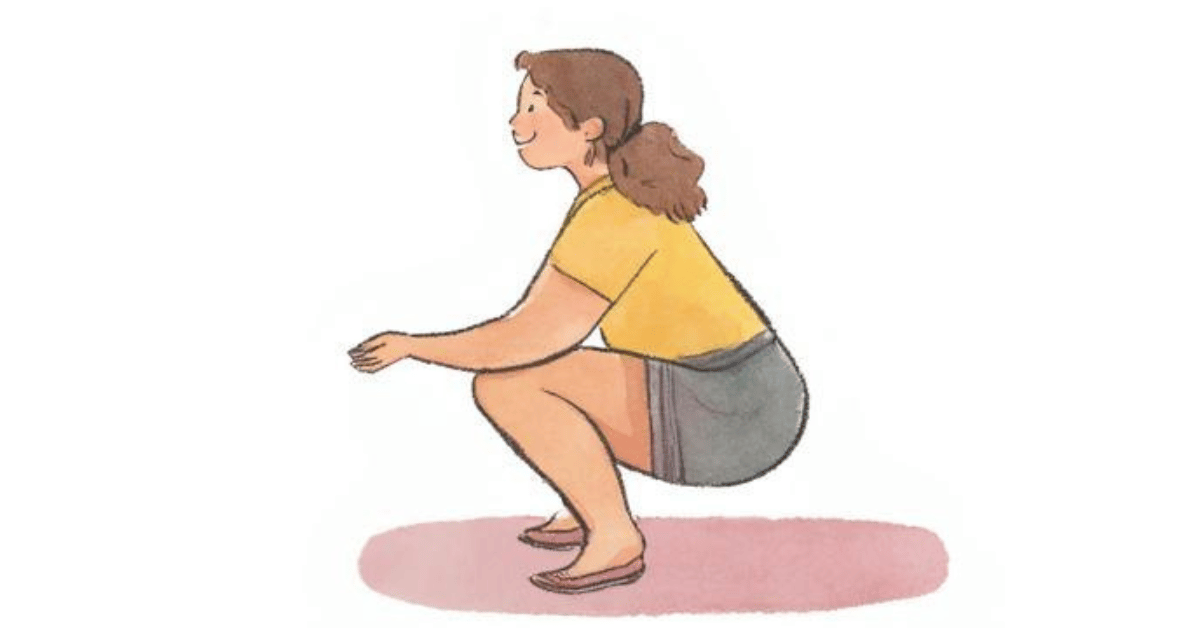
  • Squat: hips, knees, and ankles (quads, hamstrings, glutes, core).
  • Push-up: shoulders, elbows, wrists (chest, triceps, core).
  • Bent-over row: hips, shoulders, elbows (back, biceps, core).

Because these movements coordinate several joints, they require stability, balance, and control, skills your body uses in nearly every activity.

In contrast, isolation exercises (like bicep curls) target a single joint and muscle. They are valuable for shaping or correcting imbalances, but don’t train coordination or overall power as effectively.

2. The Science Behind Compound Movements

Why do trainers and physiologists love compound exercises so much? Because they create systemic benefits, not just local muscle growth.

a. Hormonal boost:
Research shows that multi-joint exercises increase the release of growth hormone, testosterone, and IGF-1, all of which promote muscle repair and growth1. The reason? Your body interprets these exercises as a “high-stress event” requiring full-body adaptation.

b. Neural efficiency:
Your nervous system learns to recruit several muscle groups simultaneously, improving motor coordination and balance. Over time, your brain and muscles communicate more efficiently, which athletes call neuromuscular adaptation.

c. Energy economy:
Because multiple muscles fire at once, you burn more calories per minute and strengthen supporting muscles (like your core) without extra exercises.

Real-World Metaphor: The Team Lift

Imagine two people moving a heavy table. If one person tries to lift it alone (isolation), they’ll strain a single muscle group and probably fail. But if the whole team works together, each person taking a corner (compound effort), the job gets done smoothly.

Your body works the same way: when multiple muscles “team up,” the load spreads out. You become not only stronger but also more stable and less injury-prone.

Why Compound Exercises Feel So Rewarding

Compound movements activate the body and brain together. Studies show that they stimulate more oxygen flow, raise heart rate faster, and even boost endorphin release. That’s why finishing a solid set of squats or push-ups gives you that unmistakable “I did something big” feeling.

They also develop mental toughness; you can’t half-commit to a deep squat or a push-up. Every rep demands focus, control, and determination.

My Reflection

Most of my current workouts focus on compound exercises:

  • Plank: engages the core, shoulders, and arms
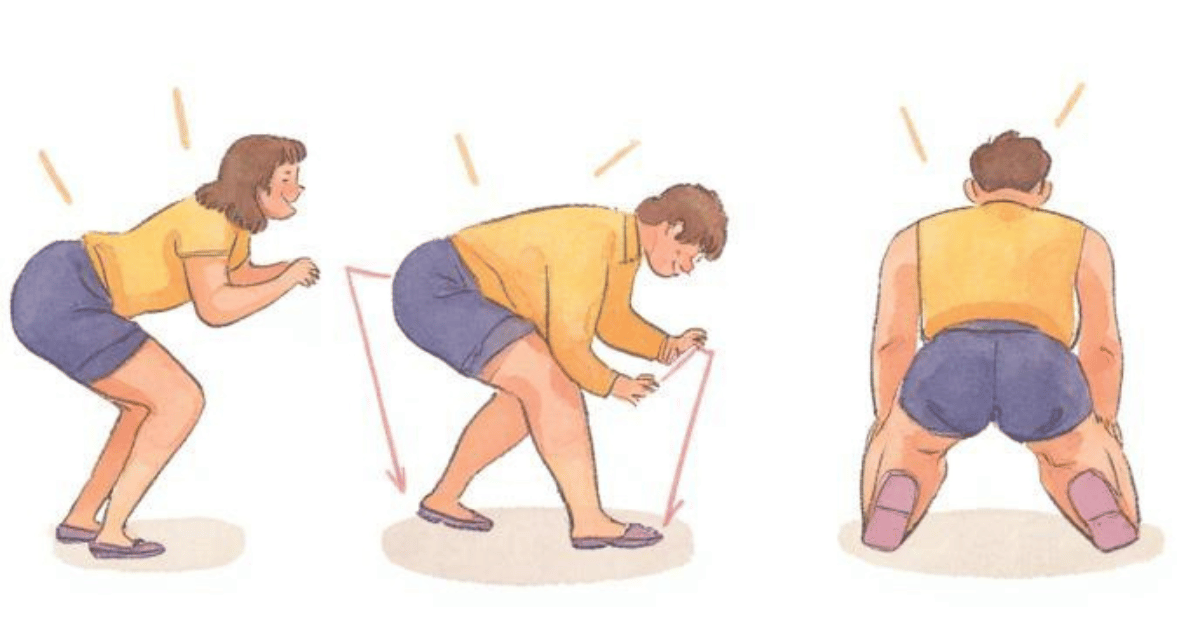
  • Squat: targets the quads, glutes, and calves
  • Leg Raises: work the abs, glutes, and quads

I can feel my body getting stronger. For instance, I recently held a plank for 45 seconds, and it felt surprisingly easy. I didn’t even realize the time had passed, which tells me it’s time to increase my workout duration.

Right now, my main goal is to train larger muscle groups like my legs and abs while keeping up with cardio. I’ve been struggling a bit with weight loss, so I’ve started keeping a food journal to better track how much I eat each day. I’m also paying more attention to protein intake, making sure it’s spread evenly throughout the day. To improve sleep quality, I’ve decided not to eat anything after 5 p.m. This simple change already helps me rest better at night.

Biometric data

Change in Weight from Day 1: -2.8 lb.
Skeletal Muscle: 39.2 %
Muscle Mass: 94.6 lb.

Adjustment Ideas (Strategic Adjustment)

  1. Form First: Before adding more weight or reps, film or mirror your squats and push-ups. Focus on posture, depth, and balance. Compound exercises reward precision more than speed.
  2. Add a “Compound Starter”:  Begin each session with one compound move (e.g., squats on leg day, push-ups or rows on upper-body days). It warms up several muscle groups efficiently.
  3. Core Engagement Habit: During all compound moves, consciously tighten your core as if bracing for a punch. This habit protects your spine and improves strength transfer through your whole body.

Notes

  1. Jose Vilaca-Alves et al., “(PDF) Acute Hormonal Responses to Multi-Joint Resistance Exercises with Blood Flow Restriction,” ResearchGate, ahead of print, 22 2022, https://doi.org/10.3390/jfmk8010003. ↩︎

The Power Puzzle: How Major Muscle Groups Work Together for Strength

H5 Day 22 of 100 Days Muscle Resistance Workout Challenge

Topic: Major Muscle Groups, Compound and Isolation Exercises

Learning Material 

When we talk about muscle training, it’s easy to focus on a single muscle—“I want to tone my arms” or “I need stronger legs.” But your body doesn’t move in isolation. It’s a coordinated network of systems that pull, push, and stabilize together. Understanding major muscle groups and how compound and isolation exercises affect them helps you train smarter—not just harder.

Key Insights

1. The Major Players

Your body’s large muscle groups act like the main departments of a company, each with its specialty:

  • Legs: Quadriceps, hamstrings, glutes, calves. These are your power engines.
  • Back: Latissimus dorsi, rhomboids, traps, erector spinae. Responsible for posture, pulling, and spinal stability.
  • Chest: Pectoralis major and minor. The push muscles.
  • Core: Abdominals, obliques, and deep stabilizers like the transverse abdominis.
  • Shoulders & Arms: Deltoids, biceps, triceps—supporting most upper-body movements.

When one group strengthens, it enhances how others perform. A weak link (say, underdeveloped glutes) can reduce overall stability and strength.

2. Compound vs. Isolation: The Symphony and the Solo

Think of a compound exercise as an orchestra, multiple instruments (muscles) working together to produce a powerful sound.
Examples: Squats, deadlifts, bench presses, pull-ups, rows, push-ups.
They build coordination, balance, and real-world strength by mirroring natural movement patterns.

Isolation exercises, on the other hand, are like solo performances. They target a single muscle for precision work. It’s great for correcting imbalances or adding definition.
Examples: Bicep curls, leg extensions, lateral raises, tricep kickbacks.

The most effective programs use both compounds for overall strength and for fine-tuning isolation.

3. The Hidden Advantage: Hormonal and Neural Response

Compound exercises trigger a greater hormonal response—especially testosterone and growth hormone—which help repair and build muscle faster.
They also improve neural efficiency: your brain becomes better at recruiting multiple muscles at once. It’s not just your body getting stronger—it’s your nervous system learning coordination and timing.

That’s why a few heavy squats or deadlifts can feel like a full-body event.

Real-World Example / Metaphor

Imagine a rowing team. Each rower represents a muscle. If one rower pulls early or another too late, the boat wobbles or slows down. Compound exercises teach all your rowers to move in sync. Isolation work is like coaching one rower to fix their timing. Both are essential, but the race is won by the team working together.

My Reflection

Since learning anatomy, I have considered how my exercise affects my muscles.

Squad: Quadroceps; Gluteus Adductor; Erector Sspine; Calves? I checked Wikipedia, and it shows more muscles than I thought. This week, I started using weights, which means I am more likely to engage more muscles than I think.

I was familiar with isolated muscle exercises, but I discovered the concept of compound exercises. When I do Squad, I feel burning in my quads and glutes. If I go very deep down, it makes my quads think more. I haven’t gone too deep because I am worried I wouldn’t have enough muscle to balance. I had my husband check my form because I couldn’t see myself while filling it out. 

I felt a bit tired today, despite having a rest day yesterday. It was raining outside, and I almost didn’t want to do cardio. I went out to do my morning cardio. 

When I got back home, I checked my sleeping score. My sleeping score is 90. I slept 15 minutes less than yesterday. I had a somewhat unusual REM cycle last night, with a lot of deep sleep hours. The total REM cycle is not destructive. The last part of my sleep, my REM cycle, was disrupted by something. Possibly, thunder or cat, but I am not sure. 

Despite feeling unwell this morning, I felt better once I returned from the exercise. My cardio performance was not very good, but it may be related to my unusual REM cycle last night.

Biometric data

Change in Weight from Day 1: – 1.0 lb.
Skeletal Muscle: 38.9 %
Muscle Mass: 95 lb.

Adjustment Ideas (Strategic Adjustment)

  1. Training Balance: If you’ve focused mostly on isolation (like crunches or bicep curls), add 1–2 compound moves this week—such as squats, push-ups, or rows.
  2. Mind-Muscle Awareness: During each rep, note which muscles activate most. Building awareness is the first step to improving form and strength.
  3. Recovery Shift: Since compound moves engage more muscles, recovery time matters. Add a short stretching or foam rolling session after your compound days to aid in muscle recovery.

Internet Outage and Limited Date, and We created Backup Plans

Brian’s fitness journal after a brain stroke

We have now survived almost four days of Internet outage and limited data.

At this point, we are not entirely sure whether the internet outage was caused by the weather, nearby construction, or some secret anti-streaming conspiracy. All we know is that our internet disappeared, and my wife and I immediately entered “rationing mode.”

We tried to avoid using anything that would consume too much data.

The surprising part? We discovered that we use far more data than we realized—even without watching videos or playing games. Apparently, modern life quietly consumes the internet in the background whether you notice it or not.

We also learned that our phone plan belongs to an ancient era of AT&T history. Our plan is so old that they do not even offer it anymore. It includes very limited data, and once we pass 2GB, the speed slows down to something roughly equivalent to communicating through carrier pigeons.

Today, my wife had a rare scheduled day off from work, so we decided to make good use of it and visit the Indian restaurant where we celebrated our anniversary. Her day off had nothing to do with the internet outage, although I suspect the timing felt particularly welcome.

Technically, she could still use her work hotspot, but she does not like relying on it too much. She prefers to save her personal data for work-related needs, especially when internet outages decide to turn life into a survival exercise.

Eventually, we decided it was time to upgrade the phone plan.

The new plan is much more forgiving. Instead of becoming unusably slow after 2GB, it simply lowers our priority after 3GB. In other words, if another outage happens, we can still function like normal humans instead of internet archaeologists.

It was oddly interesting to see how much data we had used in only four days. Even without videos, we had already burned through nearly 1.6GB.

While we were at the AT&T store, I took advantage of their very strong Wi-Fi and downloaded a few audiobooks. I had been avoiding downloads because we were treating our mobile data like a wartime ration.

So even though our home internet still has not returned, at least we now have a better backup plan.

And honestly, that feels strangely comforting in a world where losing internet for four days somehow feels like being transported back to the early 2000s.

The Rhythm of Rest: How Weekly Sleep Patterns Shape Recovery and Progress

Day 21 of 100 Days Muscle Resistance Workout Challenge

Topic: Review your bedtime patterns and overall recovery.

Learning Material 

Recovery is not just about resting; it’s about recognizing patterns. Over the past week, you’ve learned how sleep affects your mood, energy, muscle growth, and motivation. Now it’s time to look back, not to judge, but to observe. Your body communicates through consistency: how easily you fall asleep, how refreshed you feel, how quickly soreness fades, and how your mood shifts with rest. These small signals tell the story of your progress.

Key Insights:

  1. Consistency Builds Rhythm
    Going to bed at the same time each night helps your body regulate its circadian rhythm, the internal clock that governs everything from hormone release to muscle repair. Consistent sleep patterns lead to predictable energy levels and faster recovery.
  2. Recovery Has Layers
    Physical recovery repairs muscle tissue, but mental recovery restores motivation. Overtraining or sleep deprivation can dull your enthusiasm, even when your body feels capable. Recognizing both sides of recovery keeps progress sustainable.
  3. Progress Isn’t Always Linear
    Some weeks you’ll feel strong; other weeks, heavy or tired. That’s normal. Adaptation takes place through cycles of effort and recovery. When you honor both, your body transforms more efficiently.

Real-World Example:


Think of your body as a musician learning tempo. If you play too fast, the rhythm collapses. If you play too slowly, progress stalls. But when you find your steady beat, your natural balance between training and rest, performance becomes effortless and sustainable.

My Reflection
 

My energy level has fluctuated throughout the week. Because I had to go into the office on Tuesday, I shifted my rest day by one day, which left me feeling extremely tired on Monday. Once I finally took a day off, my body recovered quickly, a clear reminder that rest is essential.

Sleep has made a noticeable difference. After the thunderstorm, I felt unusually tired, and it affected my cardio performance. I’ve been consistent about getting at least seven hours of sleep each night, and since increasing my protein intake, my sleep quality has been excellent.

I noticed a small weight gain over the last two days, likely from eating too many carbohydrates. I need to pay closer attention to what I eat. I wasn’t happy seeing the number on the scale today, but I’m confident it will balance out again soon.

Biometric data

Change in Weight from Day 1: + 0.6 lb.
Skeletal Muscle: 38.7%
Muscle Mass: 95.4 lb.

Adjustment Ideas (Strategic adjustment):

  1. Sleep Discipline: Aim for a fixed bedtime window within 20 minutes every night.
  2. Mindful Recovery: Include a short relaxation routine before bed — light stretching, deep breathing, or journaling.
  3. Smart Progression: If recovery feels strong, consider gradually increasing resistance or reps next week, but only after confirming energy levels stay high.