H5 Day 22 of 100 Days Muscle Resistance Workout Challenge
Topic: Major Muscle Groups, Compound and Isolation Exercises
Learning Material
When we talk about muscle training, it’s easy to focus on a single muscle—“I want to tone my arms” or “I need stronger legs.” But your body doesn’t move in isolation. It’s a coordinated network of systems that pull, push, and stabilize together. Understanding major muscle groups and how compound and isolation exercises affect them helps you train smarter—not just harder.
Key Insights
1. The Major Players
Your body’s large muscle groups act like the main departments of a company, each with its specialty:
- Legs: Quadriceps, hamstrings, glutes, calves. These are your power engines.
- Back: Latissimus dorsi, rhomboids, traps, erector spinae. Responsible for posture, pulling, and spinal stability.
- Chest: Pectoralis major and minor. The push muscles.
- Core: Abdominals, obliques, and deep stabilizers like the transverse abdominis.
- Shoulders & Arms: Deltoids, biceps, triceps—supporting most upper-body movements.
When one group strengthens, it enhances how others perform. A weak link (say, underdeveloped glutes) can reduce overall stability and strength.
2. Compound vs. Isolation: The Symphony and the Solo
Think of a compound exercise as an orchestra, multiple instruments (muscles) working together to produce a powerful sound.
Examples: Squats, deadlifts, bench presses, pull-ups, rows, push-ups.
They build coordination, balance, and real-world strength by mirroring natural movement patterns.
Isolation exercises, on the other hand, are like solo performances. They target a single muscle for precision work. It’s great for correcting imbalances or adding definition.
Examples: Bicep curls, leg extensions, lateral raises, tricep kickbacks.
The most effective programs use both compounds for overall strength and for fine-tuning isolation.
3. The Hidden Advantage: Hormonal and Neural Response
Compound exercises trigger a greater hormonal response—especially testosterone and growth hormone—which help repair and build muscle faster.
They also improve neural efficiency: your brain becomes better at recruiting multiple muscles at once. It’s not just your body getting stronger—it’s your nervous system learning coordination and timing.
That’s why a few heavy squats or deadlifts can feel like a full-body event.
Real-World Example / Metaphor
Imagine a rowing team. Each rower represents a muscle. If one rower pulls early or another too late, the boat wobbles or slows down. Compound exercises teach all your rowers to move in sync. Isolation work is like coaching one rower to fix their timing. Both are essential, but the race is won by the team working together.
My Reflection
Since learning anatomy, I have considered how my exercise affects my muscles.
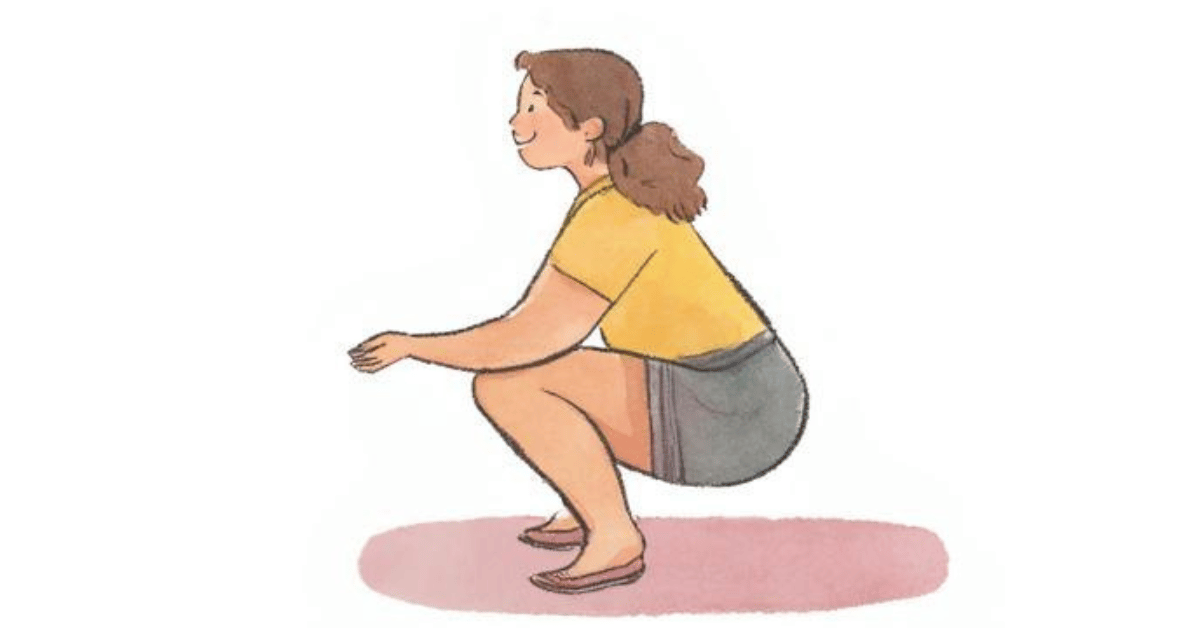
Squad: Quadroceps; Gluteus Adductor; Erector Sspine; Calves? I checked Wikipedia, and it shows more muscles than I thought. This week, I started using weights, which means I am more likely to engage more muscles than I think.
I was familiar with isolated muscle exercises, but I discovered the concept of compound exercises. When I do Squad, I feel burning in my quads and glutes. If I go very deep down, it makes my quads think more. I haven’t gone too deep because I am worried I wouldn’t have enough muscle to balance. I had my husband check my form because I couldn’t see myself while filling it out.
I felt a bit tired today, despite having a rest day yesterday. It was raining outside, and I almost didn’t want to do cardio. I went out to do my morning cardio.
When I got back home, I checked my sleeping score. My sleeping score is 90. I slept 15 minutes less than yesterday. I had a somewhat unusual REM cycle last night, with a lot of deep sleep hours. The total REM cycle is not destructive. The last part of my sleep, my REM cycle, was disrupted by something. Possibly, thunder or cat, but I am not sure.
Despite feeling unwell this morning, I felt better once I returned from the exercise. My cardio performance was not very good, but it may be related to my unusual REM cycle last night.
Biometric data
Change in Weight from Day 1: – 1.0 lb.
Skeletal Muscle: 38.9 %
Muscle Mass: 95 lb.
Adjustment Ideas (Strategic Adjustment)
- Training Balance: If you’ve focused mostly on isolation (like crunches or bicep curls), add 1–2 compound moves this week—such as squats, push-ups, or rows.
- Mind-Muscle Awareness: During each rep, note which muscles activate most. Building awareness is the first step to improving form and strength.
- Recovery Shift: Since compound moves engage more muscles, recovery time matters. Add a short stretching or foam rolling session after your compound days to aid in muscle recovery.