How Core Strength Powers Stability, Balance, and Movement

Day 28 of 100 Days Muscle Resistance Workout Challenge

Topics: Understand how abdominal and lower back muscles support posture, balance, and movement control.

Learning Material 

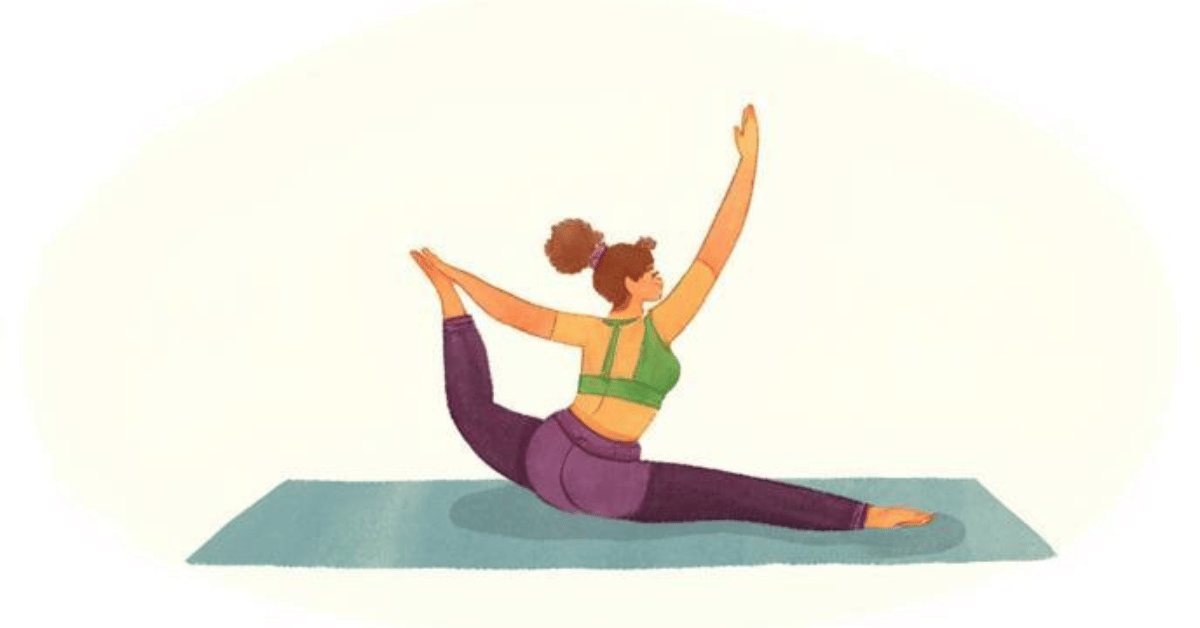
When most people think of the “core,” they picture six-pack abs. But in truth, your core is far more than just the front of your stomach—it’s the central hub of strength, balance, and movement control. It includes the deep abdominal muscles, obliques, lower back, hips, and even the diaphragm. Together, these muscles stabilize your body so that your limbs can move efficiently and safely.

Think of the core as the bridge between your upper and lower body. Whether you’re lifting a weight, running, or even sitting upright, your core is constantly active—often in ways you don’t notice.

Key Insights

1. The Science of Stability: Your Core as the Body’s Control Center

Your core muscles—especially the transverse abdominis, multifidus, and erector spinae—act like a natural weight belt. They protect your spine by maintaining intra-abdominal pressure, which stabilizes your torso during movement.

A stable core improves nearly every physical activity:

  • It allows your arms and legs to move with precision and strength.
  • It reduces energy leaks—helping you move more efficiently.
  • It protects your lower back from strain during lifting or bending.

When your core is weak, your body compensates by overusing other muscles, leading to imbalance and fatigue. Over time, this can cause joint pain or poor posture.

A strong core doesn’t just look good—it prevents injuries, improves coordination, and sustains your energy longer during workouts.

2. The Mind–Body Connection: Why the Core Is Central to Control

Your brain relies on sensory feedback from your core muscles to keep balance—this process is called proprioception. When these stabilizing muscles engage properly, your nervous system can better predict and adjust to shifts in position.

That’s why balance exercises (like planks, side bridges, or stability ball work) feel mentally challenging—they require coordination between the brain and body.

Psychologically, a strong core often translates into a feeling of confidence and stability. It’s the physical embodiment of centeredness. Many athletes and dancers train the core not only for power but also for mental grounding and body awareness.

3. Metaphor: The Tree and Its Trunk

Imagine your body as a tree. Your arms and legs are the branches, reaching outward. Your core is the trunk—strong, flexible, and essential for balance.

If the trunk is weak, even the strongest branches will sway uncontrollably in the wind. But if the trunk is solid, the whole tree stands tall and resilient. Likewise, every push, pull, or stride in your workouts depends on the stability of your “trunk.”

Real-World Example: Everyday Core Engagement

Your core is active even when you’re not exercising. When you stand in line, climb stairs, or carry groceries, your body automatically activates deep stabilizing muscles to keep you upright.

You can test this: try tightening your core slightly while standing. You’ll immediately notice your posture improves, your lower back feels supported, and your balance sharpens. This small awareness shift is the foundation of better movement.

My Reflection

It’s only the fourth week, so I haven’t noticed major changes in my core strength yet. However, I can tell I’m improving—holding a plank for 45 seconds feels much easier than it used to. To build true stability, I know I’ll need to strengthen my back muscles as well, since the core works best when the front and back support each other.

My weight has gone down, and my muscle mass has increased again. After a proper leg workout, I’ve been feeling more muscle soreness, which likely means my body is retaining water in the muscles for repair. Overall, my weight trend is moving downward, but my muscle mass still fluctuates daily—so I’ll need to focus on the long-term data, not the short-term changes.

Last night, my husband woke up, and I didn’t sleep well afterward. I even had a stressful dream, which didn’t help with recovery. My stress score was okay this morning, but my HRV dropped again, which explains why I felt a bit tired when I woke up. Since I’ve been quite active lately, that likely affected it too.

I did a breathing exercise in the morning to help calm my nervous system and plan to do another session later today to support recovery.

Biometric data

Change in Weight from Day 1: – 2.2 lb.
Skeletal Muscle: 39.1%
Muscle Mass: 94.8 lb.

Adjustment Ideas (Strategic Adjustment)

  1. Core Activation Habit: Each morning, do one short core exercise—like a 30-second plank or bird-dog—to “wake up” your stabilizing muscles.
  2. Posture Reminder: Throughout the day, perform a mini posture check: shoulders relaxed, chest open, core gently engaged. Set an hourly reminder if needed.
  3. Breathing for Stability: Practice diaphragmatic breathing—inhale deeply through your nose, expanding your belly, and exhale slowly. This strengthens your diaphragm and improves core-brain coordination.

How to Build a Balanced Strength Training Plan for Long-Term Strength

Day 27 of 100 Days Muscle Resistance Workout Challenge

Topic: Review all major muscle groups and classify your workouts into compound or isolation exercises.

Learning Material

You’ve spent the past weeks learning how each muscle group functions and how compound and isolation exercises contribute to your strength. Now it’s time to put everything together, to see how each part connects into a whole. Integration is where awareness becomes mastery.

A great training plan isn’t just about which exercises you do; it’s about how they work together to build balance, recovery, and steady progress. Think of this as designing your own “blueprint for strength,” a plan that reflects your energy level, time, and goals.

Key Insights

1. The Big Picture: All Major Muscle Groups

Let’s revisit the key players and their primary functions:

  • Upper Body (Push): Chest, shoulders, triceps → pressing, lifting, extending.
  • Upper Body (Pull): Back, biceps, rear delts → pulling, rowing, stabilizing.
  • Lower Body: Quads, hamstrings, glutes, calves → squatting, hinging, stabilizing.
  • Core: Abdominals, obliques, deep stabilizers → balance, posture, energy transfer.

Every major movement you perform falls into one of two broad categories:

  • Compound exercises: Work multiple muscle groups (e.g., squats, push-ups, pull-ups).
  • Isolation exercises: Focus on a single muscle for refinement or correction (e.g., bicep curls, leg extensions).

Both are essential. Compound movements build the framework, while isolation exercises refine the details.

2. The Science of Integration: Why Variety Creates Balance

When you integrate your training, you improve your body’s inter-muscular coordination, the ability of different muscles to cooperate. This coordination is controlled by your nervous system, which learns to recruit muscles more efficiently the more you vary your movement patterns.

  • Balance prevents burnout: Alternating push/pull and upper/lower sessions gives each muscle group time to recover while keeping overall activity high.
  • Neural adaptation drives growth: Changing angles, tempos, or types of contraction (eccentric vs. concentric) keeps your brain and muscles learning.

Eccentric – lifting phase

Concentric – lowering phase

  • Consistency beats intensity: Small, sustainable improvements (better form, slightly heavier weights, improved sleep) compound over time.

A well-structured plan respects your recovery cycles as much as your training ones. Muscles don’t grow during the workout—they grow while you rest and refuel.

Real-World Example: The Symphony Approach

Imagine your body as an orchestra:

  • The compound exercises are your main melody, big, coordinated movements that set the rhythm.
  • The isolation exercises are the harmonies, fine details that refine tone and precision.

If you only train compound movements, you gain power but may lack control or symmetry. If you only train isolation, you get tone but little strength foundation. A symphony needs both power and precision.

A balanced workout week might look like this:

  • Day 1: Push (Chest, Shoulders, Triceps – mostly compound)
  • Day 2: Pull (Back, Biceps – compound + isolation)
  • Day 3: Legs (Quads, Glutes, Hamstrings – compound dominant)
  • Day 4: Core & Recovery (isolation, mobility, and stretching)

This combination ensures every muscle works, every movement recovers, and every week builds upon the last.

My Reflection

Ever since I changed my workout routine, nothing drastic, but with heavier weights, my stress and readiness scores dropped to 70 and 53, respectively. That caught my attention, so I did a bit of research.

I use the Fitbit app to track my activities, food and water intake, and sleep quality. Since my sleep score has consistently stayed above 90, I knew the issue wasn’t with my sleep. Fitbit evaluates multiple factors, and in my case, the main problem was low Heart Rate Variability (HRV). My parasympathetic nervous system (PNS) wasn’t activating enough, which caused my HRV to fall to 35, a clear sign that my body was under stress.

I realized I had been pushing myself too hard. Low HRV indicates elevated stress hormones and a higher risk of fatigue or illness. So, I decided to dedicate Saturday as a true recovery day. I did light cardio but skipped any intense exercise. I also focused on eating enough protein while keeping carbs lower, and practiced deep breathing for 10 minutes twice.

The next morning, I felt noticeably different during cardio, with more energy and less heaviness. When I checked Fitbit again, my stress management score had jumped to 86, and my readiness score improved to 77. My sleep score was 94, which explained why I felt so refreshed.

This experience reminded me that even on rest days, light movement is fine, as long as I stay mindful of recovery. Throughout the day, I kept busy with light housework, which helped me stay active without strain.

The muscle training lessons are also helping me understand how to better combine muscle groups. I’ve started adding upper-body work again after a week of low energy from overtraining and heavy weights. My progress might have slowed, but I’ve learned an important lesson: listening to my body matters more than sticking rigidly to a plan.

Biometric data

Change in Weight from Day 1: -2.2 lb.
Skeletal Muscle: 39.10 %
Muscle Mass: 94.8 lb.

Adjustment Ideas (Strategic Adjustment)

  1. Weekly Balance Check: At the end of each week, review your workouts. Did you train all major muscle groups at least once? Adjust if you notice repetition or neglect.
  2. Recovery Emphasis: If soreness lingers for more than 2 days, take an active rest day with walking, yoga, or gentle mobility work to support circulation and healing.
  3. Nutrition for Adaptation: Include protein in every meal, and consider adding a slow-digesting source (such as Greek yogurt or cottage cheese) in the evening to support overnight recovery.

The Foundation of Power: How Your Legs Keep You Grounded

Day 26 of 100 Days Muscle Resistance Workout Challenge

Topic: Study leg muscles — quads, hamstrings, glutes, calves — and how they stabilize movement.

Learning Material 

If your upper body is the engine that pushes and pulls, your lower body is the foundation that keeps you stable, powerful, and upright. Every step, squat, and jump begins from your legs. The muscles of the lower body, quadriceps, hamstrings, glutes, and calves, don’t just move you forward; they protect your joints, absorb impact, and control balance.

Strengthening them isn’t only about looks or performance; it’s about mobility, longevity, and posture. A strong lower body supports your spine, prevents injury, and improves coordination for everything from running to climbing stairs.

Key Insights

1. The Four Key Muscle Groups of the Lower Body

  • Quadriceps (Front Thighs):
    These four muscles straighten your knees and power most forward movements, such as walking, running, and standing up from a chair. Exercises: squats, lunges, leg extensions.
  • Hamstrings (Back of the Thighs):
    They bend the knees and extend the hips. Weak hamstrings are a common cause of lower back pain and poor posture. Exercises: Romanian deadlifts, leg curls, bridges.
  • Glutes (Buttocks):
    The gluteus maximus, medius, and minimus are your body’s powerhouse, responsible for hip stability and explosive movements. Strong glutes also relieve pressure from your knees and lower back. Exercises: hip thrusts, step-ups, squats.
  • Calves:
    These small but mighty muscles help propel you forward and maintain balance during every stride. They stabilize your ankle joints and prevent falls. Exercises: calf raises, jump rope, stair climbs.

2. The Science of Stability: Why Legs Matter for Everything

Your lower body is designed to manage force and balance. When you land from a jump or even step off a curb, your leg muscles absorb the impact through eccentric contraction, muscles lengthening under tension. This not only prevents injury but trains the nervous system to react faster.

Balance and proprioception, your body’s awareness of its position, depend heavily on the coordination between the legs and the core. Strengthening the legs improves how quickly your body adjusts when you lose balance, which is crucial for long-term mobility, especially as you age.

3. The Mindset of Leg Training: Building from the Ground Up

Training legs is often described as humbling. Unlike upper-body workouts, lower-body training taxes your entire system, cardiovascular, muscular, and mental. It takes effort, but it also gives the highest return.

Physiologically, large leg muscles trigger a higher hormonal response, increasing growth hormone and testosterone levels after training. This helps overall muscle repair and fat metabolism.

Think of it like building a house: your upper body may be the walls, but your legs are the foundation. If the base is weak, the structure above can’t stand strong.

Real-World Metaphor: The Tree and Its Roots

Your legs are like the roots of a tree. They anchor you, keep you steady, and draw strength from the ground. Just as deep roots allow a tree to withstand strong winds, strong legs give you resilience, whether it’s carrying groceries, hiking uphill, or simply maintaining posture over time.

My Reflection

I changed my workout routine last week because I felt I wasn’t getting enough challenge. My energy levels have been high, and I can easily handle daily tasks, but I’ve still been waking up feeling drained. Since my sleep score has been above 90 most days, I couldn’t understand why I felt so tired in the mornings.

When I checked my data, Fitbit suggested that I may have been overworking myself. My readiness score has been low despite good sleep quality, likely due to low heart rate variability (HRV). On top of that, my stress management score dropped today, which makes sense, I slept less than seven hours last night. I woke up early and couldn’t fall back asleep, even though I stayed in bed. Apparently, you really can’t fool Fitbit; it logged all that time as “awake.”

My weight has been fluctuating quite a bit, especially over the past week. This is probably related to muscle repair, as I’ve had more soreness than usual lately.

There are several things I need to improve, but for now, my focus will be on understanding why my HRV is low and finding ways to improve it. I decided to take an active rest day today, still keeping my morning walk, to see if it helps my recovery scores rebound.

Biometric data

Change in Weight from Day 1: -2.0 lb.
Skeletal Muscle: 39.10 %
Muscle Mass: 94.6 lb.

Adjustment Ideas (Strategic Adjustment)

  1. Mindful Leg Form: During squats or lunges, focus on keeping knees aligned with toes. Small corrections improve balance and prevent strain.
  2. Add Mini Balance Work: Include short balance drills (such as standing on one leg or using a stability pad) at the end of leg workouts to target stabilizing muscles.
  3. Protein for Recovery: Since leg days are demanding, make sure to include a protein-rich meal or snack within 30–60 minutes post-workout to support muscle repair.

Push, Pull, Power: The Teamwork Behind Upper Body Strength

Day 25 of 100 Days Muscle Resistance Workout Challenge

Topic: Explore how chest, shoulders, and arms work together during pushing and pulling motions.

Learning Material 

Your upper body works like a finely tuned orchestra, each muscle group plays its part to create movement. Whether you’re pushing a door open, pulling groceries toward you, or lifting your body during a push-up, your chest, shoulders, and arms perform a synchronized dance of power and control. Understanding how they interact will help you train more efficiently, prevent injuries, and build balanced strength.

Key Insight

1. Push vs. Pull: Two Sides of the Same Coin

The human body’s upper half relies on opposing muscle groups to maintain strength and stability:

  • Pushing motions (like push-ups, bench presses, and shoulder presses) use the chest (pectorals), front shoulders (anterior deltoids), and triceps.
  • Pulling motions (like rows, pull-ups, and bicep curls) engage the back muscles (latissimus dorsi, rhomboids, trapezius), rear shoulders (posterior deltoids), and biceps.

Together, these movements maintain muscular balance. Overdeveloping one side (for example, doing too many push-ups without back work) can lead to postural imbalances, shoulder discomfort, or even injury.

Think of it like a door hinge: if one side of the hinge (pushing muscles) is strong but the other (pulling muscles) is weak, the door won’t open or close smoothly. Balance is what keeps the motion fluid.

2. The Science of Coordination: Why Muscles Work in Teams

Every motion, no matter how small, relies on a prime mover, stabilizers, and antagonists:

  • Prime mover (agonist): the main muscle responsible for movement.
  • Stabilizers: smaller muscles that keep joints secure and aligned.
  • Antagonists: opposing muscles that control motion and prevent overextension.

For example, during a bench press, the chest is the prime mover, the shoulders and triceps assist, and the upper back stabilizes the shoulder blades. During a pull-up, the back becomes the prime mover, the biceps assist, and the chest acts as an antagonist to stabilize.

This teamwork is orchestrated by your nervous system, which fires motor neurons in precise patterns. Over time, practice improves neuromuscular efficiency, meaning your body learns how to recruit the right muscles faster and more effectively.

3. The Balance Between Power and Posture

Modern life often favors “pushing” activities, typing, driving, and lifting forward, while neglecting pulling. This can lead to tight chests, rounded shoulders, and weak upper backs. The best way to prevent this imbalance is to pair each pushing exercise with a pulling one:

  • Push-up ↔ Row
  • Bench press ↔ Lat pulldown
  • Shoulder press ↔ Face pull

This balance not only improves appearance but also protects your joints and enhances functional strength, helping your posture stay upright rather than slouched.

Real-World Metaphor: The Tug-of-War Partnership

Imagine two teams playing tug-of-war, your pushers on one side and your pullers on the other. If one team dominates, the rope (your posture) is pulled off-center. The goal is equilibrium, where both teams pull just enough to keep tension balanced. That’s how your upper body should feel: equal strength, equal control.

My Reflection

I’ve always known the importance of balancing push and pull exercises to train opposing muscle groups, but putting that balance into practice can be challenging. It reminds me of running; you can’t master uphill sprints without learning how to control your pace downhill. Right now, I have push-up days in my routine, but starting next week, I’ll add some rowing to create better balance.

This week, I’ve been feeling sore from the new workout routine. The muscle aches are expected, but the fatigue has been noticeable, too. Even though my sleep score has been above 90 every night, I still wake up feeling sleepy.

When I checked my readiness score, I realized it’s been low because I haven’t taken enough active rest days. The signs are also appearing in other metrics; I’ve lost a bit of weight, but also some muscle mass. It’s a reminder that progress isn’t just about training harder, but also about listening to my body.

Tonight, I’ll start by getting more rest and sleeping a little longer to help my body recover.

Biometric data

Change in Weight from Day 1: – 3.4 lb.
Skeletal Muscle: 39.3 %
Muscle Mass: 94.4 lb.

Adjustment Ideas (Strategic Adjustment)

  1. Balance the Ratio: Aim for a 1:1 ratio of pushing to pulling exercises in your weekly plan. If you did 30 push-ups, add 30 rows or pull exercises to balance it.
  2. Posture Check Habit:  Between sets or during daily activities, roll your shoulders back and engage your upper back. Small posture corrections build awareness.
  3. Mindful Warm-Up:  Before upper-body workouts, do 5 minutes of shoulder mobility and band pull-aparts. Warming stabilizers improve joint safety and power transfer.

Precision Power: How Isolation Exercises Refine Strength and Balance

Day 24 of 100 Days Muscle Resistance Workout Challenge

Topics: Learn isolation exercises (e.g., bicep curls, leg extensions) and how they target specific muscles.

Learning Material 

If compound exercises are the architects that build the foundation, isolation exercises are the sculptors; they chisel, define, and correct imbalances. Where compound moves train multiple muscles at once, isolation exercises allow you to zoom in on one muscle group, improving control, balance, and symmetry.

These movements might look simple, but they teach you to focus your mind on a single muscle, an essential skill for both aesthetics and injury prevention.

Key Insights

1. What Are Isolation Exercises?

Isolation exercises move only one joint and primarily target one muscle group.

Examples:

  • Bicep Curl: elbow flexion isolates the biceps.
  • Leg Extension: Knee extension isolates the quadriceps.
  • Tricep Kickback: elbow extension isolates the triceps.
  • Lateral Raise: shoulder abduction isolates the deltoids.

Unlike compound movements, isolation training reduces support from secondary muscles. This makes it ideal for developing weak links, improving symmetry, and enhancing muscle awareness.

2. Why Isolation Training Matters

Even though isolation exercises burn fewer calories and move less weight, their benefits go beyond appearance.

a. Balance and Injury Prevention
When one muscle underperforms (say, weak hamstrings relative to the quads), it can lead to poor movement patterns or joint strain. Isolation work helps correct these imbalances by directly strengthening the weaker side.

b. Mind–Muscle Connection
Studies show that consciously focusing on the muscle being trained. A study on bench press (18 resistance-trained men) found that when participants focused on using the pectoralis major or triceps brachii, muscle activity (EMG) increased at loads up to about 60% of their 1RM. However, this effect diminished at higher intensities (e.g., 80% 1RM)1. Isolation moves help you develop this focus because you can feel the targeted muscle more clearly. 

c. Rehabilitation and Recovery
Physical therapists often use isolation exercises after injuries to retrain specific muscles. For example, after a knee injury, leg extensions and hamstring curls help restore joint stability before reintroducing full-body movements.

 Metaphor: The Artist and the Canvas

Imagine you’re sculpting a statue. Compound exercises form the rough shape, broad strokes of marble becoming a human figure. Isolation exercises involve switching to the fine chisel to refine muscle lines, carve symmetry, and correct proportions.

Just as an artist sees both the whole and the detail, a balanced workout sees both strength and precision.

Real-World Example

Think of someone recovering from a shoulder injury. They may start with compound movements like push-ups once healed, but first they’ll strengthen smaller stabilizing muscles with isolation exercises such as lateral raises, front raises, and external rotations.
This phase helps ensure that when they return to heavy lifting, every supporting muscle can safely handle the load.

My Reflection

Today was leg day. Since I’ve been learning about isolation exercises for muscle definition, I focused closely on my quads during each movement. Slowing down the motion made a noticeable difference; my legs burned much more intensely as I moved through each rep. As I gradually added weight, the burn deepened, and I could really feel each muscle working.

My weight dropped by one pound today. Earlier this week, after changing my workout, I had gained 0.6 pounds of muscle mass and 1.2 pounds overall. Losing a pound now also came with a small drop, about 0.4 pounds of muscle, which was disappointing at first, especially since I’ve been consistent with my protein intake.

However, I realized what likely happened: when muscle fibers are damaged during intense training, the body holds onto extra water to aid recovery. Once those fibers repair, the water is released, which can make muscle mass appear slightly lower for a short time. In reality, I likely gained about 0.2 pounds of true muscle overall.

Moving forward, I’ll focus on long-term trends, not daily fluctuations. Strength and muscle growth are built through patterns, not single-day numbers.

Biometric data

Change in Weight from Day 1: -2.6 lb.
Skeletal Muscle: 39.3 %
Muscle Mass: 94.6 lb.

Adjustment Ideas (Strategic Adjustment)

  1. Add One Isolation Move:  Choose one area that feels weaker or less defined (e.g., triceps, calves, or shoulders). Add one focused isolation move twice a week to strengthen it.
  2. Slow the Tempo:  For one or two exercises, intentionally slow your reps. Controlled tempo increases time under tension, improving muscle definition and awareness.
  3. Stretch Between Sets: Add gentle stretches for the isolated muscle. It enhances flexibility and improves blood circulation to support recovery.

Note

  1. Joaquin Calatayud et al., “Importance of Mind-Muscle Connection during Progressive Resistance Training,” European Journal of Applied Physiology 116, no. 3 (2016): 527–33, https://doi.org/10.1007/s00421-015-3305-7. ↩︎

The Chain Reaction: Why Compound Exercises Build More Than Muscle

Day 23 of 100 Days Muscle Resistance Workout Challenge

Topic: Understanding Benefits of Compound Exercises (Squats, Push-ups, Rows) and Why They Recruit Multiple Muscle Groups

Learning Material 

If isolation exercises are like working on one instrument, compound exercises are like leading the whole orchestra. They are movements that engage multiple muscle groups and joints simultaneously, making them cornerstones of strength, balance, and athletic performance.

These exercises are efficient, functional, and rooted in how the human body is designed to move. Whether you’re sitting down, picking up groceries, or climbing stairs, you’re performing compound actions. Training them doesn’t just make you stronger; it also makes everyday life easier.

Key Insights

1. What Are Compound Exercises?

Compound exercises involve more than one joint and several muscle groups working together.
Examples:

  • Squat: hips, knees, and ankles (quads, hamstrings, glutes, core).
  • Push-up: shoulders, elbows, wrists (chest, triceps, core).
  • Bent-over row: hips, shoulders, elbows (back, biceps, core).

Because these movements coordinate several joints, they require stability, balance, and control, skills your body uses in nearly every activity.

In contrast, isolation exercises (like bicep curls) target a single joint and muscle. They are valuable for shaping or correcting imbalances, but don’t train coordination or overall power as effectively.

2. The Science Behind Compound Movements

Why do trainers and physiologists love compound exercises so much? Because they create systemic benefits, not just local muscle growth.

a. Hormonal boost:
Research shows that multi-joint exercises increase the release of growth hormone, testosterone, and IGF-1, all of which promote muscle repair and growth1. The reason? Your body interprets these exercises as a “high-stress event” requiring full-body adaptation.

b. Neural efficiency:
Your nervous system learns to recruit several muscle groups simultaneously, improving motor coordination and balance. Over time, your brain and muscles communicate more efficiently, which athletes call neuromuscular adaptation.

c. Energy economy:
Because multiple muscles fire at once, you burn more calories per minute and strengthen supporting muscles (like your core) without extra exercises.

Real-World Metaphor: The Team Lift

Imagine two people moving a heavy table. If one person tries to lift it alone (isolation), they’ll strain a single muscle group and probably fail. But if the whole team works together, each person taking a corner (compound effort), the job gets done smoothly.

Your body works the same way: when multiple muscles “team up,” the load spreads out. You become not only stronger but also more stable and less injury-prone.

Why Compound Exercises Feel So Rewarding

Compound movements activate the body and brain together. Studies show that they stimulate more oxygen flow, raise heart rate faster, and even boost endorphin release. That’s why finishing a solid set of squats or push-ups gives you that unmistakable “I did something big” feeling.

They also develop mental toughness; you can’t half-commit to a deep squat or a push-up. Every rep demands focus, control, and determination.

My Reflection

Most of my current workouts focus on compound exercises:

  • Plank: engages the core, shoulders, and arms
  • Squat: targets the quads, glutes, and calves
  • Leg Raises: work the abs, glutes, and quads

I can feel my body getting stronger. For instance, I recently held a plank for 45 seconds, and it felt surprisingly easy. I didn’t even realize the time had passed, which tells me it’s time to increase my workout duration.

Right now, my main goal is to train larger muscle groups like my legs and abs while keeping up with cardio. I’ve been struggling a bit with weight loss, so I’ve started keeping a food journal to better track how much I eat each day. I’m also paying more attention to protein intake, making sure it’s spread evenly throughout the day. To improve sleep quality, I’ve decided not to eat anything after 5 p.m. This simple change already helps me rest better at night.

Biometric data

Change in Weight from Day 1: -2.8 lb.
Skeletal Muscle: 39.2 %
Muscle Mass: 94.6 lb.

Adjustment Ideas (Strategic Adjustment)

  1. Form First: Before adding more weight or reps, film or mirror your squats and push-ups. Focus on posture, depth, and balance. Compound exercises reward precision more than speed.
  2. Add a “Compound Starter”:  Begin each session with one compound move (e.g., squats on leg day, push-ups or rows on upper-body days). It warms up several muscle groups efficiently.
  3. Core Engagement Habit: During all compound moves, consciously tighten your core as if bracing for a punch. This habit protects your spine and improves strength transfer through your whole body.

Notes

  1. Jose Vilaca-Alves et al., “(PDF) Acute Hormonal Responses to Multi-Joint Resistance Exercises with Blood Flow Restriction,” ResearchGate, ahead of print, 22 2022, https://doi.org/10.3390/jfmk8010003. ↩︎

The Power Puzzle: How Major Muscle Groups Work Together for Strength

H5 Day 22 of 100 Days Muscle Resistance Workout Challenge

Topic: Major Muscle Groups, Compound and Isolation Exercises

Learning Material 

When we talk about muscle training, it’s easy to focus on a single muscle—“I want to tone my arms” or “I need stronger legs.” But your body doesn’t move in isolation. It’s a coordinated network of systems that pull, push, and stabilize together. Understanding major muscle groups and how compound and isolation exercises affect them helps you train smarter—not just harder.

Key Insights

1. The Major Players

Your body’s large muscle groups act like the main departments of a company, each with its specialty:

  • Legs: Quadriceps, hamstrings, glutes, calves. These are your power engines.
  • Back: Latissimus dorsi, rhomboids, traps, erector spinae. Responsible for posture, pulling, and spinal stability.
  • Chest: Pectoralis major and minor. The push muscles.
  • Core: Abdominals, obliques, and deep stabilizers like the transverse abdominis.
  • Shoulders & Arms: Deltoids, biceps, triceps—supporting most upper-body movements.

When one group strengthens, it enhances how others perform. A weak link (say, underdeveloped glutes) can reduce overall stability and strength.

2. Compound vs. Isolation: The Symphony and the Solo

Think of a compound exercise as an orchestra, multiple instruments (muscles) working together to produce a powerful sound.
Examples: Squats, deadlifts, bench presses, pull-ups, rows, push-ups.
They build coordination, balance, and real-world strength by mirroring natural movement patterns.

Isolation exercises, on the other hand, are like solo performances. They target a single muscle for precision work. It’s great for correcting imbalances or adding definition.
Examples: Bicep curls, leg extensions, lateral raises, tricep kickbacks.

The most effective programs use both compounds for overall strength and for fine-tuning isolation.

3. The Hidden Advantage: Hormonal and Neural Response

Compound exercises trigger a greater hormonal response—especially testosterone and growth hormone—which help repair and build muscle faster.
They also improve neural efficiency: your brain becomes better at recruiting multiple muscles at once. It’s not just your body getting stronger—it’s your nervous system learning coordination and timing.

That’s why a few heavy squats or deadlifts can feel like a full-body event.

Real-World Example / Metaphor

Imagine a rowing team. Each rower represents a muscle. If one rower pulls early or another too late, the boat wobbles or slows down. Compound exercises teach all your rowers to move in sync. Isolation work is like coaching one rower to fix their timing. Both are essential, but the race is won by the team working together.

My Reflection

Since learning anatomy, I have considered how my exercise affects my muscles.

Squad: Quadroceps; Gluteus Adductor; Erector Sspine; Calves? I checked Wikipedia, and it shows more muscles than I thought. This week, I started using weights, which means I am more likely to engage more muscles than I think.

I was familiar with isolated muscle exercises, but I discovered the concept of compound exercises. When I do Squad, I feel burning in my quads and glutes. If I go very deep down, it makes my quads think more. I haven’t gone too deep because I am worried I wouldn’t have enough muscle to balance. I had my husband check my form because I couldn’t see myself while filling it out. 

I felt a bit tired today, despite having a rest day yesterday. It was raining outside, and I almost didn’t want to do cardio. I went out to do my morning cardio. 

When I got back home, I checked my sleeping score. My sleeping score is 90. I slept 15 minutes less than yesterday. I had a somewhat unusual REM cycle last night, with a lot of deep sleep hours. The total REM cycle is not destructive. The last part of my sleep, my REM cycle, was disrupted by something. Possibly, thunder or cat, but I am not sure. 

Despite feeling unwell this morning, I felt better once I returned from the exercise. My cardio performance was not very good, but it may be related to my unusual REM cycle last night.

Biometric data

Change in Weight from Day 1: – 1.0 lb.
Skeletal Muscle: 38.9 %
Muscle Mass: 95 lb.

Adjustment Ideas (Strategic Adjustment)

  1. Training Balance: If you’ve focused mostly on isolation (like crunches or bicep curls), add 1–2 compound moves this week—such as squats, push-ups, or rows.
  2. Mind-Muscle Awareness: During each rep, note which muscles activate most. Building awareness is the first step to improving form and strength.
  3. Recovery Shift: Since compound moves engage more muscles, recovery time matters. Add a short stretching or foam rolling session after your compound days to aid in muscle recovery.

The Rhythm of Rest: How Weekly Sleep Patterns Shape Recovery and Progress

Day 21 of 100 Days Muscle Resistance Workout Challenge

Topic: Review your bedtime patterns and overall recovery.

Learning Material 

Recovery is not just about resting; it’s about recognizing patterns. Over the past week, you’ve learned how sleep affects your mood, energy, muscle growth, and motivation. Now it’s time to look back, not to judge, but to observe. Your body communicates through consistency: how easily you fall asleep, how refreshed you feel, how quickly soreness fades, and how your mood shifts with rest. These small signals tell the story of your progress.

Key Insights:

  1. Consistency Builds Rhythm
    Going to bed at the same time each night helps your body regulate its circadian rhythm, the internal clock that governs everything from hormone release to muscle repair. Consistent sleep patterns lead to predictable energy levels and faster recovery.
  2. Recovery Has Layers
    Physical recovery repairs muscle tissue, but mental recovery restores motivation. Overtraining or sleep deprivation can dull your enthusiasm, even when your body feels capable. Recognizing both sides of recovery keeps progress sustainable.
  3. Progress Isn’t Always Linear
    Some weeks you’ll feel strong; other weeks, heavy or tired. That’s normal. Adaptation takes place through cycles of effort and recovery. When you honor both, your body transforms more efficiently.

Real-World Example:


Think of your body as a musician learning tempo. If you play too fast, the rhythm collapses. If you play too slowly, progress stalls. But when you find your steady beat, your natural balance between training and rest, performance becomes effortless and sustainable.

My Reflection
 

My energy level has fluctuated throughout the week. Because I had to go into the office on Tuesday, I shifted my rest day by one day, which left me feeling extremely tired on Monday. Once I finally took a day off, my body recovered quickly, a clear reminder that rest is essential.

Sleep has made a noticeable difference. After the thunderstorm, I felt unusually tired, and it affected my cardio performance. I’ve been consistent about getting at least seven hours of sleep each night, and since increasing my protein intake, my sleep quality has been excellent.

I noticed a small weight gain over the last two days, likely from eating too many carbohydrates. I need to pay closer attention to what I eat. I wasn’t happy seeing the number on the scale today, but I’m confident it will balance out again soon.

Biometric data

Change in Weight from Day 1: + 0.6 lb.
Skeletal Muscle: 38.7%
Muscle Mass: 95.4 lb.

Adjustment Ideas (Strategic adjustment):

  1. Sleep Discipline: Aim for a fixed bedtime window within 20 minutes every night.
  2. Mindful Recovery: Include a short relaxation routine before bed — light stretching, deep breathing, or journaling.
  3. Smart Progression: If recovery feels strong, consider gradually increasing resistance or reps next week, but only after confirming energy levels stay high.

Reading the Body’s Signals: How Recovery Speaks

Day 20 of 100 Days Muscle Resistance Workout Challenge

Focus Topic: Check for signs of muscle soreness and recovery speed.

Learning Material 

Recovery is where the magic happens — not during the workout itself. Every rep you lift causes tiny tears in your muscle fibers. Your body then repairs these fibers stronger than before, but only if it’s given the right conditions: rest, nutrition, and time. Learning to read your body’s signals can help you strike the balance between productive effort and overtraining.

Key Insights:

  1. Soreness Isn’t the Goal — Adaptation Is.
    Muscle soreness (DOMS: delayed onset muscle soreness) is common after new or intense workouts. However, soreness is not a direct sign of progress. Once your body adapts, soreness decreases — even though strength continues to grow. Constant soreness, on the other hand, means your muscles aren’t fully recovering.
  2. Sleep and Nutrition Drive Repair.
    During deep sleep, your body releases growth hormone, which triggers tissue repair and protein synthesis. Protein intake after workouts replenishes the amino acids your muscles need to rebuild. Without enough protein or sleep, this process slows, leaving you tired and stiff longer.
  3. Overtraining Feels Like Fatigue, Not Pain.
    When you’re under-recovered, you may notice low motivation, irritability, reduced performance, or poor sleep — all signs your nervous system needs a break. A smart athlete knows when to push and when to pause.

Real-World Example:

Think of training like baking bread. The workout is kneading the dough — it builds structure but also tension. The resting phase lets it rise; skip that, and the bread turns dense and flat. Your muscles need that same rising time.

My Reflection

Today, I learned about muscle soreness (DOMS: delayed onset muscle soreness). Although I feel fatigue during workouts, I haven’t experienced noticeable soreness for the past four or five days, which suggests it may be time to adjust my routine.

My sleep quality has remained excellent, with consistent sleep scores above 90, so I know I’m well-rested and recovering properly. My muscle growth is progressing steadily, but I haven’t lost any weight yet. Yesterday, I ate a cup of chicken poppers, not the best choice, and gained about 1.2 pounds, likely from water retention.

My main challenge right now is balancing fat loss with muscle gain. I want to reduce weight gradually while continuing to build strength.

Adjustment for this week:

  • Add 3–5 pounds to my leg workouts.
  • Include upper-body exercises on HIIT days.

Biometric data

Change in Weight from Day 1: -0.4 lb.
Skeletal Muscle: 38.9 %
Muscle Mass: 95.2 lb.

Adjustment Ideas (Strategic adjustment):

  1. Nutritional Support: Add a small protein-rich meal or shake within 30–60 minutes after workouts.
  2. Active Recovery: On sore days, replace heavy exercise with light stretching, walking, or yoga to increase circulation.
  3. Mindset Habit: Instead of chasing soreness, track performance gains — more reps, better form, steadier energy — as your true sign of progress.

How Sleep Shapes Mood, Motivation, and Training Consistency

Day 19 of 100 Days Muscle Resistance Workout Challenge

Topics: Observe your mood and motivation after different sleep qualities.

Learning Material 

Mood may seem separate from muscle growth, but it’s actually one of the most powerful drivers of your performance. Sleep doesn’t just restore your body — it resets your emotional and motivational balance. How you feel when you wake up often predicts how you’ll approach the day’s workout, diet, and even your patience with yourself.

When you’re well-rested, you’re more optimistic and disciplined. When you’re sleep-deprived, the brain shifts toward survival mode, increasing irritability and lowering motivation. This isn’t weakness; it’s biology. The prefrontal cortex, which handles focus and decision-making, goes partially offline, while the amygdala, the brain’s emotional alarm center, becomes overactive. The result? Small setbacks feel heavier, and even simple routines seem harder.

Key Insights:

  1. Sleep Regulates Motivation Chemicals – Quality sleep restores dopamine and serotonin, neurotransmitters that affect willpower and optimism. When these levels drop, you’re more likely to skip workouts or crave comfort foods.
  2. Emotional Recovery Happens During REM Sleep – REM sleep helps your brain process emotions and stress1. Poor REM quality can make you short-tempered or unmotivated, even if you slept long hours.
  3. Good Sleep Builds Consistency – Athletes who sleep well report steadier motivation. They don’t rely on “pushing through” exhaustion; their baseline mood makes showing up easier.

Real-World Example:


Think of sleep as your emotional reset button. Imagine your mood as a phone battery: when charged overnight, you can handle notifications (stress, fatigue) calmly. But when you start the day at 30%, even small things drain you. The result isn’t just tiredness — it’s frustration and lower drive.

My Reflection

Since October, I’ve been recording my mood each day to understand how exercise and sleep influence my energy and emotions. I wake up earlier and exercise first thing in the morning. I go to bed before 8 pm, and start reading a physical book. Getting out from any digital device is a cue for me to go to bed. I do the same thing every evening, so it is like a ritual for sleep. After I put my book down, I fall asleep very quickly. I usually sleep well. Sleepless nights are rare for me. When they do happen, I can feel the difference in my performance the next day.

Recently, I learned that REM sleep plays a key role in regulating emotions. Studies show that REM sleep helps the brain consolidate emotional information and memories, which is something I hadn’t known before. I’ve researched the topics because I was curious. I’d read long ago that REM sleep helps organize memories, but I never realized it also supports emotional healing.

Looking back, this connection makes sense. During a difficult time in my life, I struggled with depression and often couldn’t fall asleep. It became a painful cycle: lack of sleep deepened the sadness, and the sadness made sleep even harder to find. Over time, I recovered, but that experience taught me how deeply rest and emotional balance are intertwined.

Over time, I re-regulated my sleep cycle. By the time I am done with my morning exercise, I am all refreshed and energized. It has something to do with sleeping well at night. After a good night’s sleep, you feel so refreshed in the morning. With better mental states with refreshed brain, it is so easy to get into a flow. I am recharged, and the more I get things done, the happier I will be. That is one of the reasons I like to wake up early: to do my morning exercise.

From now on, I’m determined to protect my sleep. It is not just for recovery, but because it’s essential to living happily.

Biometric data

Change in Weight from Day 1: -1.6 lb.
Skeletal Muscle: 39.10 %
Muscle Mass: 94.8 lb.

Adjustment Ideas (Strategic adjustment):

  1. Mindset Practice: On days with poor sleep, lower performance expectations — focus on movement, not perfection.
  2. Sleep Wind-Down: Try a 5–10 minute mindfulness routine (deep breathing or journaling) to reduce stress before bed.
  3. Mood Check Habit: Add a one-line note to your workout log about how your sleep quality affected your motivation. Over time, you’ll see your personal pattern.

Note

  1. Daniela Tempesta et al., “Sleep and Emotional Processing,” Sleep Medicine Reviews 40 (August 2018): 183–95, https://doi.org/10.1016/j.smrv.2017.12.005; Serena Scarpelli et al., “The Functional Role of Dreaming in Emotional Processes,” Frontiers in Psychology 10 (March 2019): 459, https://doi.org/10.3389/fpsyg.2019.00459. ↩︎