
Sleep as the Hidden Stamina Booster

Day 18 of 100 Days Muscle Resistance Workout Challenge

Topic: Cardio Connection: Notice how your sleep affects your stamina during cardio

Learning Material 

Sleep doesn’t just reset your mind; it’s also one of the strongest performance enhancers for cardio. When you run, cycle, or row, your body needs oxygen delivery, a stable heart rate, and muscular endurance — all of which depend on the quality of last night’s sleep.

Key Insights:

  1. Oxygen Efficiency: Deep sleep (especially slow-wave sleep) helps restore the cardiovascular and respiratory systems. Poor sleep reduces oxygen uptake, meaning you’ll feel winded sooner.
  2. Heart Rate and Recovery: Good sleep lowers resting heart rate and improves heart rate variability (HRV). These are markers of endurance. A poor night’s sleep can cause your heart rate to spike earlier, making even moderate cardio feel harder.
  3. Perceived Effort: Research shows sleep-deprived athletes rate workouts as more difficult, even when performance metrics are the same1. In other words, your brain tells you “this is exhausting” much earlier when you’re tired.

Real-World Example:


Think of cardio like filling a water balloon. With enough sleep, the balloon stretches easily and fills smoothly. With little sleep, the balloon feels stiff — you can still fill it, but it resists and feels harder. That resistance is how your body interprets cardio effort after poor rest.

My Reflection

I’ve been tracking my sleep for years, and I clearly see how it shapes my performance the following day. When I get fewer than seven hours, my mental focus drops sharply and my energy is noticeably lower.

Sleep quality is just as important as duration. External disturbances, like thunder or nighttime noise, can wake me and cut into my rest. On those nights, my cardio performance the next day is always worse. I’ve noticed that the depth and balance of my sleep cycles — especially how much deep sleep and REM sleep I get — make a real difference.

I’ve made a change to my diet. I have been eating much less protein than I need. My husband has kidney disease, and he is restricted in protein intake. To simplify meal preparation, I was eating the same amount of protein. No matter how much exercise I do, I feel like I’ve been losing my muscle mass.

I need to get enough protein, so I started taking an adequate amount. Since increasing my protein intake to support muscle repair, I’ve been sleeping more soundly. That was a new discovery for me. Typically, I fall into deep sleep quickly, followed by a shorter REM cycle, and then a longer, restorative REM period later in the night.

I also avoid being jolted awake during deep or REM sleep. To keep my rhythm natural, I rarely set an alarm unless absolutely necessary. Most mornings I wake up on my own, usually between 5:00 and 5:20 a.m., feeling refreshed.

Biometric data

Change in Weight from Day 1: -2.0 lb.

Skeletal Muscle: 39.10%

Muscle Mass: 94.8 lb.

Adjustment Ideas (Strategic adjustment):

  1. Bedtime Consistency: Set a fixed “lights-out” window (even within 20 minutes) to stabilize recovery.
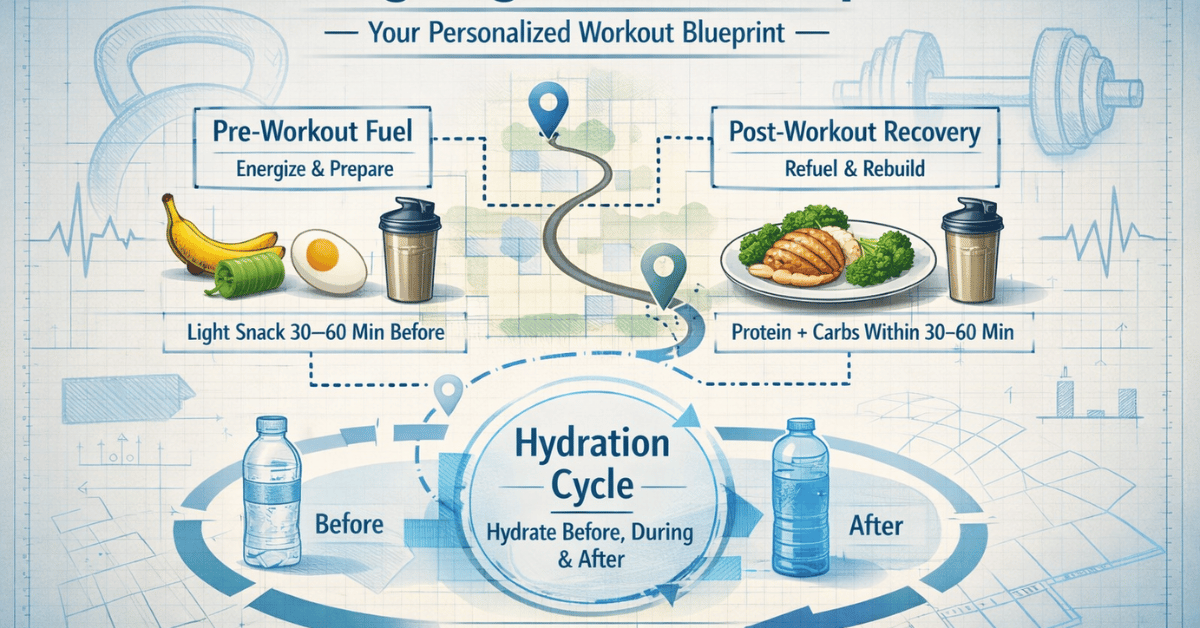
  2. Pre-Cardio Fuel: If sleep was short, try a small carb boost before cardio (like half a banana) to reduce the sluggish feeling.
  3. Mindset Cue: On low-sleep days, accept a lighter cardio pace. Focus on moving consistently rather than pushing intensity.

Note

  1. Yan Kong et al., “(PDF) Effects of Sleep Deprivation on Sports Performance and Perceived Exertion in Athletes and Non-Athletes: A Systematic Review and Meta-Analysis,” ResearchGate, ahead of print, August 10, 2025, https://doi.org/10.3389/fphys.2025.1544286. ↩︎

Fueling the Fire: Tracking Your Energy

Day 17 of 100 Days Muscle Resistance Workout Challenge

Topics: Pay attention to your energy during your workout.

Learning Material 

Energy is the invisible “currency” of your training. You may have the discipline to show up, but how much you get out of your workout depends on how much energy you bring into it. Tracking your energy doesn’t mean obsessing over every dip or spike — it means noticing patterns and learning what fuels your best sessions.

Key Insights:

  1. Energy is Multi-Dimensional – Physical energy (glycogen, ATP, hydration), mental energy (focus, motivation), and emotional energy (mood) all interact. A poor night’s sleep can leave you physically fine but mentally sluggish; a stressful day can drain motivation even if your body is rested.
  2. Energy Fluctuates Naturally – Science shows our bodies follow ultradian rhythms (90–120 minute cycles of alertness). You might feel powerful at the start of a workout and sluggish halfway through. Recognizing this rhythm helps you time your most demanding exercises when energy is highest.
  3. Fuel Sources Matter – Your body uses glycogen (from carbs) for quick energy, fat for longer endurance, and protein for repair (not fuel). Skipping carbs entirely may leave you dizzy during cardio, but too many slow-digesting carbs before training can make you heavy. Balance is key.

Real-World Example

Think of your body like a hybrid car. Carbs are the gas for quick acceleration (sprints, heavy lifts). Fats are the steady electric battery (endurance, recovery pace). Protein is the mechanic that repairs the car after the trip. If you only fill one “tank,” you’ll either stall out early or run sluggishly.

My Reflection

Most nights, I achieve a good to excellent sleep score. Because of my naturally low blood pressure, some mornings are harder to wake up, though I usually feel more refreshed once I’ve done my morning exercise.

Occasionally, outside noises like thunder keep me from sleeping, and I notice the sluggishness the next day. I aim to go to bed at the same time every night, which helps me fall asleep more quickly.

Lately, I’ve realized that getting enough protein during the day improves my sleep quality. I also avoid eating after 6 p.m. because it leaves me feeling heavy and less rested the following morning. Going to bed on a full stomach never works well for me.

Today I felt more tired than usual because I didn’t get enough sleep. Since starting resistance training, I’ve noticed that my body craves more rest than before. Importantly, I feel so good about myself.

Biometric data

Change in Weight from Day 1: – 2.2 lb.

Skeletal Muscle: 39.2 %

Muscle Mass: 94.8 lb.

Adjustment Ideas (Strategic adjustment):

  1. Nutritional tweak: Add a small, fast-digesting carb (like half a banana or a slice of toast) 30–60 minutes before workouts to see if it steadies your energy.
  2. Sleep awareness: Set a simple pre-bed wind-down (no screens for 20 minutes, light stretching, or reading) to improve sleep quality — energy will often follow.
  3. Micro-habit: Do your hardest exercise (squats, push-ups, or cardio burst) in the first 15 minutes of training when your natural energy is highest.

Why a Consistent Sleep Schedule Boosts Recovery

Day 16 of 100 Days Muscle Resistance Workout Challenge

Topic: Consistent sleep schedule for recovery

Learning Material 

It’s tempting to think of sleep as a numbers game—just hit 7–8 hours and you’re fine. But science shows that when you sleep matters almost as much as how long you sleep. Your body runs on circadian rhythms, a natural 24-hour clock that thrives on consistency. Going to bed and waking up at the same time every day strengthens that rhythm and amplifies recovery.

Key Insights

1. Regularity Strengthens Recovery

Research on sleep regularity shows that maintaining consistent bed and wake times improves sleep onset, sleep efficiency, and subjective restfulness. In contrast, irregular schedules—such as alternating late nights and early mornings—disrupt circadian alignment and reduce sleep quality even when total sleep duration remains unchanged1. Inconsistent schedules—late nights followed by early mornings—confuse your body’s internal clock, leading to lower-quality rest even if the total hours look the same.

2. Hormones Love Predictability

Growth hormone and melatonin are both key for muscle repair and recovery. Melatonin is released on a schedule, which helps set the body’s sleep cycle, allowing recovery hormones like growth hormone to be released at nighttime. If bedtime shifts wildly, these hormones don’t peak at the correct times, which can blunt muscle growth and recovery. Think of it like watering a plant—doing it at the same time each day helps it thrive.

3. Consistency Beats Perfection
You don’t need to hit the exact minute every night. Even keeping within a 30–60 minute window trains your body to expect sleep, making it easier to drift off and wake up energized. The brain loves rhythm—it learns best, recovers best, and performs best with predictable cycles.

Metaphor Example

Imagine your body as a train system. If trains (your sleep cycles) run on time every day, passengers (your hormones and recovery processes) know exactly when to board. If trains are late or unpredictable, everyone waits around, and the whole system slows.

My Reflection

From experience, I’ve learned that regulating my bedtime helps me fall asleep much faster than when I used to have irregular sleep patterns years ago. The one challenge I still face is adjusting to seasonal time changes—I often need to prepare about 10 days in advance.

When I get a good night’s sleep, my mind feels clearer and sharper. I also notice that I eat better the following day because I feel more energized and motivated. My waking time varies slightly, usually within a 20-minute window, but I don’t even set an alarm. I prefer to wake up naturally, and since I’ve regulated my sleep, my body allows me to do that. Occasionally, things like thunderstorms interrupt my sleep, but this is rare. When it happens, I simply stay still in bed and rest. The next night, I often sleep a little longer—about 30 minutes—but the sleep is deeper and restorative.

It took me years to train my body clock, as I was naturally more of a night person. Now, though, I find that exercising in the morning is far better for my productivity and energy throughout the day. This routine has worked well for me for years, and I have no desire to return to my old habits.

Biometric data

Change in Weight from Day 1: -1.6lb.

Skeletal Muscle: 39.10%

Muscle Mass: 94.8 lb.

Adjustment Ideas (Strategic adjustment)

  1. Sleep: Set a target “bedtime window” (e.g., between 9:30–10:00 p.m.) and stick to it for three nights.
  2. Micro-habit: Dim lights and reduce screen use 30 minutes before bed to cue your body’s rhythm.
  3. Mindset: Think of bedtime as part of your training routine—not an afterthought.

Note

  1. Marc Wittmann et al., “Social Jetlag: Misalignment of Biological and Social Time,” Chronobiology International 23, nos. 1–2 (2006): 497–509, https://doi.org/10.1080/07420520500545979. ↩︎

The Bedtime Blueprint: How Sleep Awareness Improves Recovery and Performance

Day 15 of 100 Days Muscle Resistance Workout Challenge

Topic: Start with Awareness – Notice what time you went to bed and how long you slept.

Learning Material 

Before you can improve your sleep, you first need to notice it. Just like tracking workouts or nutrition, simply observing your bedtime and sleep duration builds awareness. Awareness doesn’t require immediate change—it creates a foundation for making smarter adjustments later.

Key Insights

1. Awareness is the First Rep


In psychology, self-monitoring is one of the most effective tools for habit change1. By writing down when you went to bed and how long you slept, you start seeing patterns: maybe you sleep less after late-night screens, or you recover better with an earlier bedtime. The act of noticing primes your brain for change.

2. Sleep = the Body’s Recovery Mode

 During deep sleep, growth hormone is released—critical for muscle repair. REM sleep supports memory and learning, which matters just as much if you’re coding, writing, or problem-solving. Without enough quality sleep, workouts feel heavier, reaction times slow, and fat loss stalls. Sleep isn’t “time off”—it’s part of training.

3. Small Patterns, Big Insights

 You don’t need fancy trackers to start. A simple journal entry like “Bed at 11:15, woke at 6:30, 7 hours total” is enough. Over a week, you’ll see whether your body thrives on a consistent schedule or struggles with irregularity. Awareness alone can motivate earlier adjustments, much like seeing your step count motivates you to move more.

Metaphor Example:


Think of sleep like charging your phone. If you only ever plug it in for 30 minutes here and there, the battery never reaches full power. Consistency in bedtime is like plugging into the charger overnight—you wake up with a full charge, ready to perform.

My Reflection

I keep close track of my sleep, and if I had to rate it on a scale of 1 to 10, it usually lands around a 9. My Fitbit regularly shows a sleep score above 90%. I tend to get slightly more REM sleep than the benchmark and enough deep sleep to feel fully restored. On average, I’m awake only about 10–15 minutes during the night.

To support good sleep, I stay active during the day, avoid eating after 6 p.m., and skip late workouts. I also step away from the computer after 8 p.m. because I know how much my sleep quality matters—if I get less than seven hours, I feel sluggish the next day.

Most nights, I fall asleep around 9:30 p.m. and don’t wake up until 3 a.m. or later. Sometimes I sleep straight through without interruption. The only things that disturb me are my cat jumping on the bed or the occasional thunderstorm. Last week’s heavy storms, for example, kept me from sleeping as soundly.

Interestingly, ever since I began eating more adequately, my sleep has noticeably improved. I’m not sure if there’s a direct connection, but it’s something I’d like to explore further.

Biometric data

Change in Weight from Day 1: -1.8 lb.

Skeletal Muscle: 39.10%

Muscle Mass: 94.8 lb.

Adjustment Ideas (Strategic adjustment)

  1. Sleep: Set a “bedtime reminder” alarm 30 minutes before your ideal sleep time.
  2. Mindset: Treat sleep as active training—your recovery session, not wasted time.
  3. Micro-habit: Keep a small bedside notebook to record sleep and wake times in under 1 minute.

Note

  1. S. Michie et al., “Effective Techniques in Healthy Eating and Physical Activity Interventions: A Meta-Regression,” in Database of Abstracts of Reviews of Effects (DARE): Quality-Assessed Reviews [Internet] (Centre for Reviews and Dissemination (UK), 2009), https://www.ncbi.nlm.nih.gov/books/NBK77075/. ↩︎

Closing the Gaps: Training That Fits Your Life

Day 14 of 100 Days Muscle Resistance Workout Challenge

 Topic: Where am I lacking? What fits my lifestyle?

Learning Material 

One of the biggest mistakes in fitness is following someone else’s plan without checking if it fits your own life. Muscle growth isn’t about chasing a “perfect” program—it’s about creating one that works for you consistently. Knowing your gaps and adapting training to your lifestyle makes the difference between quick burnout and long-term success.

Key Insights

1. Spotting Weak Links
Sometimes progress stalls not because of effort, but because of gaps—too little sleep, missing nutrients, or training that doesn’t match your energy rhythm. For example, someone who always trains late at night but sleeps poorly may see slower recovery. Identifying where you’re lacking helps you fix the weakest link, not just work harder.

2. Lifestyle Shapes Training
Research shows that adherence—the ability to stick with a program—matters more than intensity in the long run1. If you dislike morning workouts but force them anyway, you’ll likely quit. The best plan is the one you’ll actually do. Lifestyle alignment increases consistency, which is the real driver of muscle progress.

3. Balance Over Perfection
Think of your training like a budget. If you overspend (overtrain) or underspend (skip workouts), the balance sheet shows it. But if you regularly invest what you can, even small amounts add up. Muscle gains compound just like savings. Missing one category—like skipping recovery or ignoring nutrition—creates debt your body must repay.

Metaphor Example:


Imagine your fitness routine as a three-legged stool: training, nutrition, and recovery. If one leg is shorter than the others, the stool wobbles. Strength comes not from making one leg taller, but from evening them out.

My Reflection

The most significant change I’ve made, aside from adding resistance training to my cardio routine, is increasing my protein intake throughout the day. My body is responding by gradually building muscle. I’ve noticed a pattern: I gain some muscle mass, drop a little weight, and overall, my body composition improves. The key difference is that I’m no longer losing weight too quickly. This morning, I was about 0.8 pounds lighter than when I started, and my muscle mass decreased by 0.2 pounds.

Another big improvement has been sleep quality. My sleep scores used to hover between 80 and 85, but now they range from 83 to 95. I’m getting longer REM cycles and deeper sleep, which I suspect comes not only from the added exercise but also from the mental demands of my daily research, coding, and writing.

Starting tomorrow, I plan to increase my HIIT (high-intensity interval training) sessions to twice a day and observe how it affects fat burning. I don’t yet know the right number of burpees per set, so I’ll begin with a 30-second-on/30-second-off approach and gradually increase the duration.

Ultimately, my goal is to “win the game”: to lose weight steadily while preserving—and ideally increasing—muscle mass. I’m especially focused on strengthening my legs, as building a solid foundation there supports both endurance and overall strength.

Biometric data

Change in Weight from Day 1: -0.8 lb.

Skeletal Muscle: 38.9%

Muscle Mass: 94.8lb.

Adjustment Ideas (Strategic adjustment)

  1. Diet: Identify one meal that could be more balanced (protein + carb + fat) and adjust it this week.
  2. Sleep: Set a consistent bedtime alarm—even 15 minutes earlier than usual—to improve recovery.
  3. Mindset: Shift focus from “ideal training” to “sustainable training”—ask daily: Does this routine fit my life today?

Note

  1. (PDF) The Pleasure and Displeasure People Feel When They Exercise at Different Intensities Decennial Update and Progress towards a Tripartite Rationale for Exercise Intensity Prescription,” ResearchGate, ahead of print, August 5, 2025, https://doi.org/10.2165/11590680-000000000-00000. ↩︎

The Nutrient Dream Team: Protein, Carbs, and Fats in Harmony

Day 13 of 100 Days Muscle Resistance Workout Challenge

 Topic: How protein, carbs, and fats work as a team (timing, balance, portion)

Learning Material 

Think of your body as a high-performance orchestra. Protein, carbs, and fats are the three main nutrients. Each plays a unique role, but only when they’re in tune and playing together do you get a masterpiece of energy, strength, and recovery.

Key Insights

1. Protein: The Builder
Protein supplies the raw materials (amino acids) for repairing and building muscle tissue.1 Without enough protein, your muscles can’t rebuild efficiently after workouts. Timing matters too: having protein within a couple of hours post-exercise maximizes repair.

2. Carbs: The Spark Plug
Carbs fuel your workouts by filling your muscles with glycogen (stored energy)2. Eat carbs before exercise for energy, and after exercise, they help restock glycogen and work hand-in-hand with protein to accelerate muscle recovery. Skipping carbs can leave you sluggish, like trying to run a car with no gas.

3. Fats: The Conductor Behind the Scenes
Healthy fats regulate hormones, stabilize energy, and reduce inflammation3. While they don’t provide the immediate spark that carbs do, they set the stage for balanced performance and recovery. Timing matters: large amounts of fat right before a workout may slow digestion, but moderate amounts during the day support overall balance.

Metaphor Example:


Imagine a sports team. Carbs are the speedy forwards, providing quick bursts of action. Protein is the solid defender, rebuilding the team’s strength after every match. Fats is the coach, making sure the whole system functions well over the long season. If one role is missing or out of balance, the team struggles to win.

My Reflection

Last night, I bought a banana and tried eating it with homemade yogurt after my training. It made me realize that it might actually work better as a pre-workout snack. The challenge is that I train right after waking up, and my body doesn’t really want food at that hour—so for now, I’ll stick with eating afterward.

My yogurt is homemade, with no preservatives or added sugar, and it tastes milder than store-bought yogurt. My husband and I make an effort to vary our protein sources since relying only on animal-based protein could put extra strain on his kidneys.

Over the past few days, I haven’t lost any weight—in fact, I’ve gained a little. But this time the gain is muscle mass. Even a one-pound difference can fluctuate easily depending on water retention, salt intake, or hydration. The encouraging part is that this increase seems to be real muscle, not just weight shifting around. For the first time since adjusting our diet for my husband’s protein restriction, I’ve actually built measurable muscle instead of losing it.

The biggest lesson from this experience is that the quality of food truly matters for training. Carbs, fats, and proteins each play an essential role, and the balance between them makes all the difference in progress.

Adjustment Ideas (Strategic adjustment)

  1. Diet: Plan one balanced pre- and post-workout meal this week (carb + protein before, protein + carb after).
  2. Micro-habit: Add a palm-sized portion of protein to at least two meals daily.
  3. Mindset: Think of nutrients as teammates, not rivals—when planning meals, ask: Do I have all three players on the field?

Biometric data

Change in Weight from Day 1: -1.2 lb.

Skeletal Muscle: 39.00%

Muscle Mass: 94.8 lb.

Notes

  1. Stuart M. Phillips and Luc J.C. Van Loon, “Dietary Protein for Athletes: From Requirements to Optimum Adaptation,” Journal of Sports Sciences 29, no. sup1 (2011): S29–38, https://doi.org/10.1080/02640414.2011.619204. ↩︎
  2. Asker E Jeukendrup, “Periodized Nutrition for Athletes,” Sports Medicine (Auckland, N.z.) 47, no. Suppl 1 (2017): 51–63, https://doi.org/10.1007/s40279-017-0694-2. ↩︎
  3. J. Delarue et al., “Fish Oil Prevents the Adrenal Activation Elicited by Mental Stress in Healthy Men,” Diabetes & Metabolism 29, no. 3 (2003): 289–95, https://doi.org/10.1016/s1262-3636(07)70039-3. ↩︎

 Fueling Hormones, Building Muscles: Why Fats Matter

Day 12 of 100 Days Muscle Resistance Workout Challenge

Topic: Fats as hormones’ best friends and muscle-supporting nutrients.

Learning Material

When people think of fats, they often picture something to avoid—but for muscle growth, fats are silent allies. They don’t just sit in your body as stored energy; they play an active role in hormone production, joint health, and even mental sharpness.

Key Insights: Healthy Fat for Muscle Growth

Hormones and Muscle Growth: Your body’s main muscle-building hormone, testosterone, is partially made from cholesterol1—a type of fat. Without enough healthy fats, your hormone balance can dip, slowing recovery and muscle gains. Omega-3 fatty acids also help regulate cortisol (the stress hormone), which, when chronically high, can break down muscle tissue.

Fat as a Slow-Burning Energy Source: Unlike quick carbs, fats provide a steady energy supply. This matters for long workouts or recovery days when you don’t want to “crash.” Think of fats as the slow-burning logs in your metabolic fireplace, keeping the fire alive long after the kindling (carbs) burns out.

Fats and Recover: Healthy fats reduce inflammation in your body2. After a heavy leg day or intense cardio, omega-3s (like those from salmon, walnuts, or flaxseeds) act like a calming balm for sore muscles and joints.

Story Example:

Imagine your muscles are construction workers rebuilding after a workout. Proteins are the bricks, but fats are like the project managers and logistics coordinators—ensuring workers get paid (hormones regulated), the roads stay open (joints supported), and there’s no strike (inflammation reduced). Without them, the whole project slows.

My Reflection

I’ve always known that omega-3-rich foods are “good,” but I never really understood why. Today’s learning pushed me to check the sources and finally see the science behind why so many doctors recommend them.

My husband also eats omega-3-rich foods, though in moderation because of his kidney condition—his doctor advised him to limit it to about one tablespoon a day. I usually rely on a supplement, but knowing that omega-3s can also help manage stress makes me want to take them more consistently. I also realize it’s important to get them from real foods, not just capsules.

There are three main types of omega-3s: ALA (alpha-linolenic acid), which comes from plants, and EPA (eicosapentaenoic acid) and DHA (docosahexaenoic acid), which come from marine sources. Since the body only converts a small percentage of ALA into EPA and DHA, variety matters.

Plant-based sources (ALA):

  • Flaxseeds & flaxseed oil
  • Chia seeds
  • Walnuts
  • Hemp seeds
  • Soybeans & soybean oil
  • Canola oil

Fortified foods:

  • Omega-3-enriched eggs
  • Certain brands of yogurt, milk, or bread

Today I had yogurt with flaxseed and a little canola oil. Still, I know I’m not getting enough overall. Now that I understand the benefits more clearly, I want to make a real effort to include omega-3-rich foods in my diet.

Today, I’ve eaten Yogurt with flaxseed and canola oil. I don’t think I eat enough of them. Since I know the positive impact on the body, I would definitely work on getting them.

Biometric data

Change in Weight from Day 1: -1.8 lb.

Skeletal Muscle: 39.8%

Muscle Mass: 94.8 lb.

Adjustment Ideas (Strategic adjustment)

  1. Diet: Add one portion of omega-3-rich food (salmon, chia seeds, walnuts) three times a week to support recovery and hormone health.
  2. Mindset: Reframe fats as allies, not enemies—when you see avocado or olive oil, think “muscle fuel,” not “weight gain.”
  3. Micro-habit: Pair a small handful of nuts with your afternoon tea/coffee instead of a carb-only snack.

Notes

  1. J. Delarue et al., “Fish Oil Prevents the Adrenal Activation Elicited by Mental Stress in Healthy Men,” Diabetes & Metabolism 29, no. 3 (2003): 289–95, https://doi.org/10.1016/s1262-3636(07)70039-3. ↩︎
  2. Philip C. Calder, “Marine Omega-3 Fatty Acids and Inflammatory Processes: Effects, Mechanisms and Clinical Relevance,” Biochimica et Biophysica Acta (BBA) – Molecular and Cell Biology of Lipids, Oxygenated metabolism of PUFA: analysis and biological relevance, vol. 1851, no. 4 (2015): 469–84, https://doi.org/10.1016/j.bbalip.2014.08.010. ↩︎

Carbs: Fuel, Not Foe

Day 11 of 100 Days Muscle Resistance Workout Challenge

Topic: Why carbs fuel both workouts and recovery (and why not all carbs are equal).

Learning Material 

Carbohydrates are often misunderstood—many diets label them as “bad,” but for anyone training their muscles, carbs are actually one of your best allies. Think of carbs as the fuel that keeps your training engine running. When you work out, your muscles rely heavily on glycogen (the stored form of carbohydrates) for energy. Without enough glycogen, your body shifts to burning protein or fat, but neither is as quick or efficient for intense workouts.

Key Insights

  1. Carbs = Quick Energy + Faster Recovery
    • During workouts, glycogen in your muscles is broken down to provide fast energy. After training, eating carbs helps replenish this glycogen, which accelerates recovery and reduces fatigue for your next session.
  2. Not All Carbs Are Equal
    • Simple carbs (like candy or soda) give you a quick spike of energy, but it fades fast. Complex carbs (like oats, brown rice, or sweet potatoes) release energy steadily, keeping your performance stable. Timing matters—simple carbs can be useful right before or after workouts, while complex carbs work better for meals.
  3. Carbs Protect Muscle Mass
    • If you don’t eat enough carbs, your body may use protein from your muscles as fuel. In other words, skimping on carbs can sabotage the muscle you’re working so hard to build.

Story Example


Imagine your body is like a hybrid car. Carbs are the energy source that provides instant acceleration. Without sufficient charge, the car runs on backup fuel (protein from muscle), which gets you moving but damages the engine in the long term. Keeping your glycogen tank full means your body can train harder without sacrificing muscle.

My Reflection

I usually start my mornings with oatmeal because it gives me steady energy for cardio. Since I’ve been increasing my protein intake, I’ve reduced carbs, but I realized I can’t cut them too much—especially before cardio. When I tried, I felt dizzy. A banana seems like a practical option since it’s easy to eat on the go, so I’ll pick some up this weekend.

I’ve also noticed a slight weight gain, but I’m not too concerned. My weight tends to fluctuate by one or two pounds, mostly due to water balance. For example, after doing yard work outside, I can drop two pounds quickly.

On a positive note, my body feels less sore compared to last week. This tells me I might need to adjust my abdominal exercises, as my body is adapting. I’m also considering adding burpees twice a week—starting with 10 per set and gradually increasing. Incorporating some High-Intensity Interval Training (HIIT) should help me burn fat more efficiently while keeping my workouts challenging.

Biometric data

Change in Weight from Day 1: – 1.6lb.

Skeletal Muscle: 39.10%

Muscle Mass: 94.8 lb.

Adjustment Ideas (Strategic adjustment)

  • Add one serving of complex carbs (e.g., brown rice, sweet potato, quinoa) to lunch or dinner to keep glycogen levels steady.
  • Try a small pre-workout carb snack (banana, oatmeal, or rice cake) and see if it improves training performance.
  • Journal post-workout energy levels for one week, noting differences on higher-carb vs. lower-carb days.

Protein on Your Plate: Everyday Foods That Build Strength

Day 10 of 100 Days Muscle Resistance Workout Challenge

Topic: Everyday foods that provide protein (animal, plant, mixed)

Learning Material

When most people think of protein, they picture steak, chicken, or eggs. But protein comes in many forms—animal-based, plant-based, and mixed sources—and understanding where it hides in everyday foods makes it easier to reach your goals. Muscles don’t care whether your protein comes from tofu or turkey; what matters is consistency and quality.

Key Insight

Animal Sources: Animal proteins (meat, fish, dairy, eggs) are considered “complete proteins” because they contain all nine essential amino acids your body can’t make on its own. They’re efficient at supporting muscle repair and growth. For example, three ounces of chicken breast have about 25 g of protein, while two eggs have around 12 g.

Plant Sources: Plant proteins (beans, lentils, tofu, tempeh, quinoa, nuts, seeds) can be just as powerful, but many are “incomplete,” meaning they lack one or more essential amino acids. The good news? Pairing different plant sources—like rice and beans, or hummus with whole-grain bread—creates a complete amino acid profile. That’s why variety is so important if you rely more on plant-based foods.

Mixed & Hidden Sources: Many foods people don’t think of as “protein-rich” still contribute. Greek yogurt, milk, oats, and even vegetables like spinach and broccoli contain smaller amounts that add up over the day. Think of these as bonus contributions—the “loose change” that rounds out your protein savings account.

Example / Story

Picture a college student trying to hit 70 g of protein in a day. Breakfast is just toast and coffee—0 g. Lunch is a salad with a little cheese—maybe 5 g. Dinner is pasta with tomato sauce—another 8 g. That’s only 13 g for the whole day, even though they ate three meals. Now imagine if they swapped the toast for eggs (12 g), added beans to the salad (10 g), and topped the pasta with chicken (25 g). Suddenly, they’re at nearly 60 g without eating more food—just different choices.

My Reflection

Since I began focusing on building more muscle, I’ve noticed something surprising—I actually started losing weight without losing muscle mass. My muscle mass still fluctuates day by day, but overall, it has stayed consistent and even slightly improved compared to last year. One important lesson I’ve learned is that what you eat matters just as much as how much you eat. Simply cutting calories isn’t enough—you also need to get enough protein to repair and sustain your muscles. Looking back, I realize I was fortunate to keep exercising steadily despite challenges with losing weight or fat. That consistency helped preserve my muscle. Now I understand the importance of eating adequate protein, spread evenly throughout the day.

Today, I learned about different protein sources and took the time to write down what kinds I’ve been consuming. While studying this, I remembered a conversation with my husband’s doctor. The doctor advised that my husband could increase his protein intake, but should get it from different sources because of his kidney condition. My husband often struggles to sustain his muscle mass due to food restrictions, but I recall how he carefully chose protein sources that worked for him. At first, these pieces of information felt disconnected, but now I see how they all fit together.

The good news is that I’m finally starting to lose fat while maintaining my muscle mass. In the past, this balance was difficult—I couldn’t diet too severely without risking muscle loss. But with the right approach, it’s beginning to work.

Here’s my protein intake for today:

  • Protein Shake (Plant-based): 12.5 g
  • 2 eggs (12 g) + ⅓ cup oatmeal (4 g): 16 g (Animal & Plant)
  • Chicken sausage: 15 g (Animal)
  • Yogurt ½ cup: 12 g (Mixed)
  • Eggs (2): 12 g (Animal)

Breakdown

  • Plant-Based: 16.5 g
  • Animal-Based: 39 g
  • Mixed: 12 g
  • Total: 67.5 g

Biometric data

Change in Weight from Day 1: -3.6 lb.

Skeletal Muscle: 39.3%

Muscle Mass: 94.4 lb.

Adjustment Ideas (Strategic adjustment)

  • Add one extra protein-rich snack (e.g., Greek yogurt, nuts, or edamame) between meals.
  • Replace one carb-only breakfast with a protein-centered option (eggs, protein smoothie, tofu scramble).
  • Try one new plant-based protein this week (lentils, tempeh, or quinoa) to diversify sources.

Protein: The Body’s Repair Crew

Day 9 of 100 Days Muscle Resistance Workout Challenge

Topic: How protein supports repair and growth; daily needs vs. reality.

Learning Material

When you exercise, you’re not just burning energy—you’re creating tiny tears in your muscle fibers. Protein is what repairs those tears, making muscles stronger and more resilient each time. Without enough protein, recovery slows, progress stalls, and you may even lose muscle despite working out.

Key Insight

Protein as the Builder: Think of protein as the repair crew for your muscles. Every rep you do is like creating “construction sites.” Without enough workers (protein), the job gets delayed or left unfinished. Research shows that regular, sufficient protein intake is essential to maximize muscle repair and growth.

Daily Needs vs. Reality:  Most people underestimate how much protein they need. General health guidelines suggest ~0.8 g per kg of body weight, but for active individuals, 1.2–2.0 g per kg is often recommended. That means someone weighing 150 pounds (~68 kg) may need closer to 80–130 grams per day for optimal recovery. In reality, many people fall short, often getting the bulk of their protein at dinner instead of spreading it evenly across the day.

Distribution Matters: A controlled feeding study of healthy adults found that evenly distributing protein intake across meals produced significantly greater 24-hour muscle protein synthesis than consuming most protein in a single meal, despite identical total protein intake1. Aim for 20–30 grams per meal to keep your “repair crew” working around the clock. A breakfast of just toast and coffee, for example, misses an important opportunity to fuel recovery and growth.

Example / Story


Imagine two people with the same workout routine. One eats most of their protein at dinner, while the other spreads it across breakfast, lunch, and dinner. After several weeks, the second person recovers faster, feels less sore, and builds more lean muscle—all because they gave their muscles steady building blocks throughout the day.

My Reflection 

Since increasing my protein intake to a sufficient level, I’ve noticed my muscles repair more quickly. I try to spread protein throughout the day, and I already feel better than before—less fatigue and steadier energy. This makes it clear that I wasn’t eating enough protein previously.

I’m aiming for about 1.25 g of protein per kilogram of my target weight (50 kg), which comes out to ~62.5 g daily. Here’s what that looked like today:

  • Two eggs in the morning — ~12 g
  • About ⅓ cup of yogurt — 7–10 g
  • ½ serving of protein shake — 14 g
  • ¼ cup of tofu — 5–7 g
  • Chicken (3 oz) with sweet potato and carrots — 20–25 g

Altogether, I actually went a little over my calculated target, which is fine since my goal is to lose 15 pounds without losing any muscle mass.

I’ve also decided to adjust my food prep habits. I used to make yogurt every two weeks, but now I’ll prepare it weekly to keep up with demand. The price is still higher than before, though it has dropped recently. Since I’m not much of a meat eater, I’ll rely more on eggs and yogurt to help cover my protein needs.

Biometric data

Change in Weight from Day 1: -2.8 lb.

Skeletal Muscle: 39.2%

Muscle Mass: 94.6 lb.

Adjustment Ideas (Strategic adjustment)

  • Add at least 20 grams of protein to breakfast (e.g., eggs, Greek yogurt, tofu, or a protein shake).
  • Track protein intake for one day to see how close you are to your daily target.
  • Replace one carb-heavy snack with a protein-rich one (nuts, cheese, edamame, or cottage cheese).

Note

  1. Michael M. Mamerow et al., “Dietary Protein Distribution Positively Influences 24-Hour Muscle Protein Synthesis in Healthy Adults,” Journal of Nutrition 144, no. 6 (2014): 876–880, https://doi.org/10.3945/jn.113.185280 ↩︎

Bibliography

Mamerow, Michael M., Daniel H. Pasiakos, Andrew A. Murray, Evan E. West, Michael J. Lynch, Robert R. Lynch, and Robert R. Wolfe. “Dietary Protein Distribution Positively Influences 24-Hour Muscle Protein Synthesis in Healthy Adults.” Journal of Nutrition 144, no. 6 (2014): 876–880. https://doi.org/10.3945/jn.113.185280.