
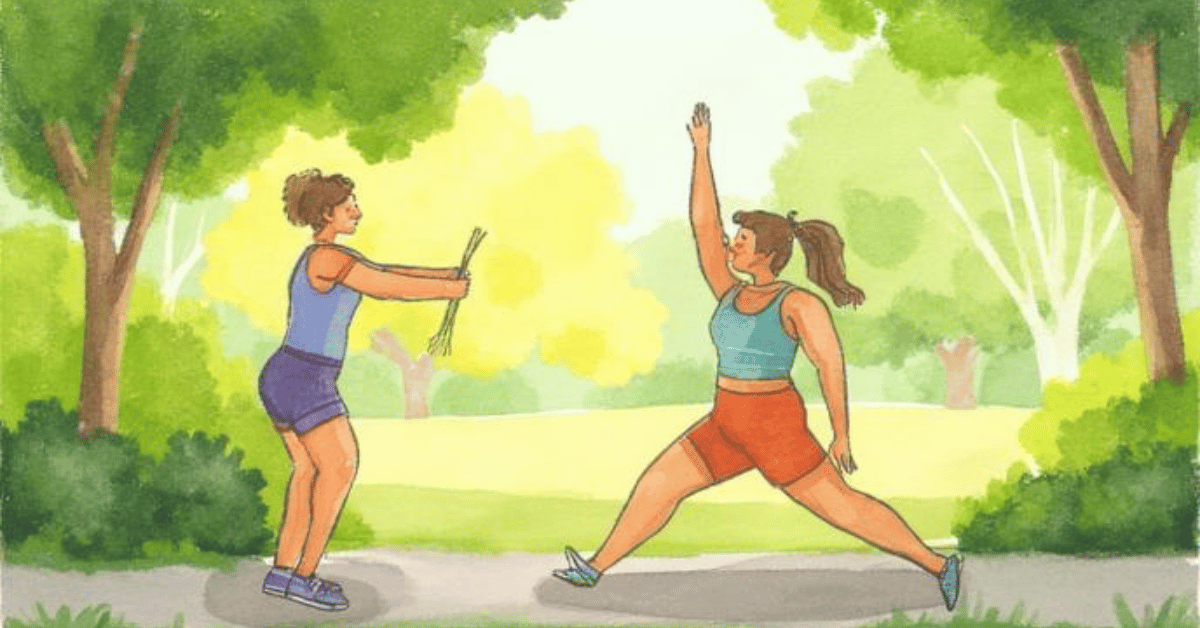
Day 26 of 100 Days Muscle Resistance Workout Challenge
Topic: Study leg muscles — quads, hamstrings, glutes, calves — and how they stabilize movement.
Learning Material
If your upper body is the engine that pushes and pulls, your lower body is the foundation that keeps you stable, powerful, and upright. Every step, squat, and jump begins from your legs. The muscles of the lower body, quadriceps, hamstrings, glutes, and calves, don’t just move you forward; they protect your joints, absorb impact, and control balance.
Strengthening them isn’t only about looks or performance; it’s about mobility, longevity, and posture. A strong lower body supports your spine, prevents injury, and improves coordination for everything from running to climbing stairs.
Key Insights
1. The Four Key Muscle Groups of the Lower Body
- Quadriceps (Front Thighs):
These four muscles straighten your knees and power most forward movements, such as walking, running, and standing up from a chair. Exercises: squats, lunges, leg extensions. - Hamstrings (Back of the Thighs):
They bend the knees and extend the hips. Weak hamstrings are a common cause of lower back pain and poor posture. Exercises: Romanian deadlifts, leg curls, bridges. - Glutes (Buttocks):
The gluteus maximus, medius, and minimus are your body’s powerhouse, responsible for hip stability and explosive movements. Strong glutes also relieve pressure from your knees and lower back. Exercises: hip thrusts, step-ups, squats. - Calves:
These small but mighty muscles help propel you forward and maintain balance during every stride. They stabilize your ankle joints and prevent falls. Exercises: calf raises, jump rope, stair climbs.
2. The Science of Stability: Why Legs Matter for Everything
Your lower body is designed to manage force and balance. When you land from a jump or even step off a curb, your leg muscles absorb the impact through eccentric contraction, muscles lengthening under tension. This not only prevents injury but trains the nervous system to react faster.
Balance and proprioception, your body’s awareness of its position, depend heavily on the coordination between the legs and the core. Strengthening the legs improves how quickly your body adjusts when you lose balance, which is crucial for long-term mobility, especially as you age.
3. The Mindset of Leg Training: Building from the Ground Up
Training legs is often described as humbling. Unlike upper-body workouts, lower-body training taxes your entire system, cardiovascular, muscular, and mental. It takes effort, but it also gives the highest return.
Physiologically, large leg muscles trigger a higher hormonal response, increasing growth hormone and testosterone levels after training. This helps overall muscle repair and fat metabolism.
Think of it like building a house: your upper body may be the walls, but your legs are the foundation. If the base is weak, the structure above can’t stand strong.
Real-World Metaphor: The Tree and Its Roots
Your legs are like the roots of a tree. They anchor you, keep you steady, and draw strength from the ground. Just as deep roots allow a tree to withstand strong winds, strong legs give you resilience, whether it’s carrying groceries, hiking uphill, or simply maintaining posture over time.
My Reflection
I changed my workout routine last week because I felt I wasn’t getting enough challenge. My energy levels have been high, and I can easily handle daily tasks, but I’ve still been waking up feeling drained. Since my sleep score has been above 90 most days, I couldn’t understand why I felt so tired in the mornings.
When I checked my data, Fitbit suggested that I may have been overworking myself. My readiness score has been low despite good sleep quality, likely due to low heart rate variability (HRV). On top of that, my stress management score dropped today, which makes sense, I slept less than seven hours last night. I woke up early and couldn’t fall back asleep, even though I stayed in bed. Apparently, you really can’t fool Fitbit; it logged all that time as “awake.”
My weight has been fluctuating quite a bit, especially over the past week. This is probably related to muscle repair, as I’ve had more soreness than usual lately.
There are several things I need to improve, but for now, my focus will be on understanding why my HRV is low and finding ways to improve it. I decided to take an active rest day today, still keeping my morning walk, to see if it helps my recovery scores rebound.
Biometric data
Change in Weight from Day 1: -2.0 lb.
Skeletal Muscle: 39.10 %
Muscle Mass: 94.6 lb.
Adjustment Ideas (Strategic Adjustment)
- Mindful Leg Form: During squats or lunges, focus on keeping knees aligned with toes. Small corrections improve balance and prevent strain.
- Add Mini Balance Work: Include short balance drills (such as standing on one leg or using a stability pad) at the end of leg workouts to target stabilizing muscles.
- Protein for Recovery: Since leg days are demanding, make sure to include a protein-rich meal or snack within 30–60 minutes post-workout to support muscle repair.